Public radio’s longest-running daily global news program.
©2025 The World from PRX
PRX is a 501(c)(3) organization recognized by the IRS: #263347402.
The latest disturbing TikTok trend in Japan features young pranksters who are contaminating sushi that is served on conveyor belts in restaurants. They share videos of themselves licking sushi rolls or otherwise contaminating plates and condiments. Some restaurants are using AI to fight back.
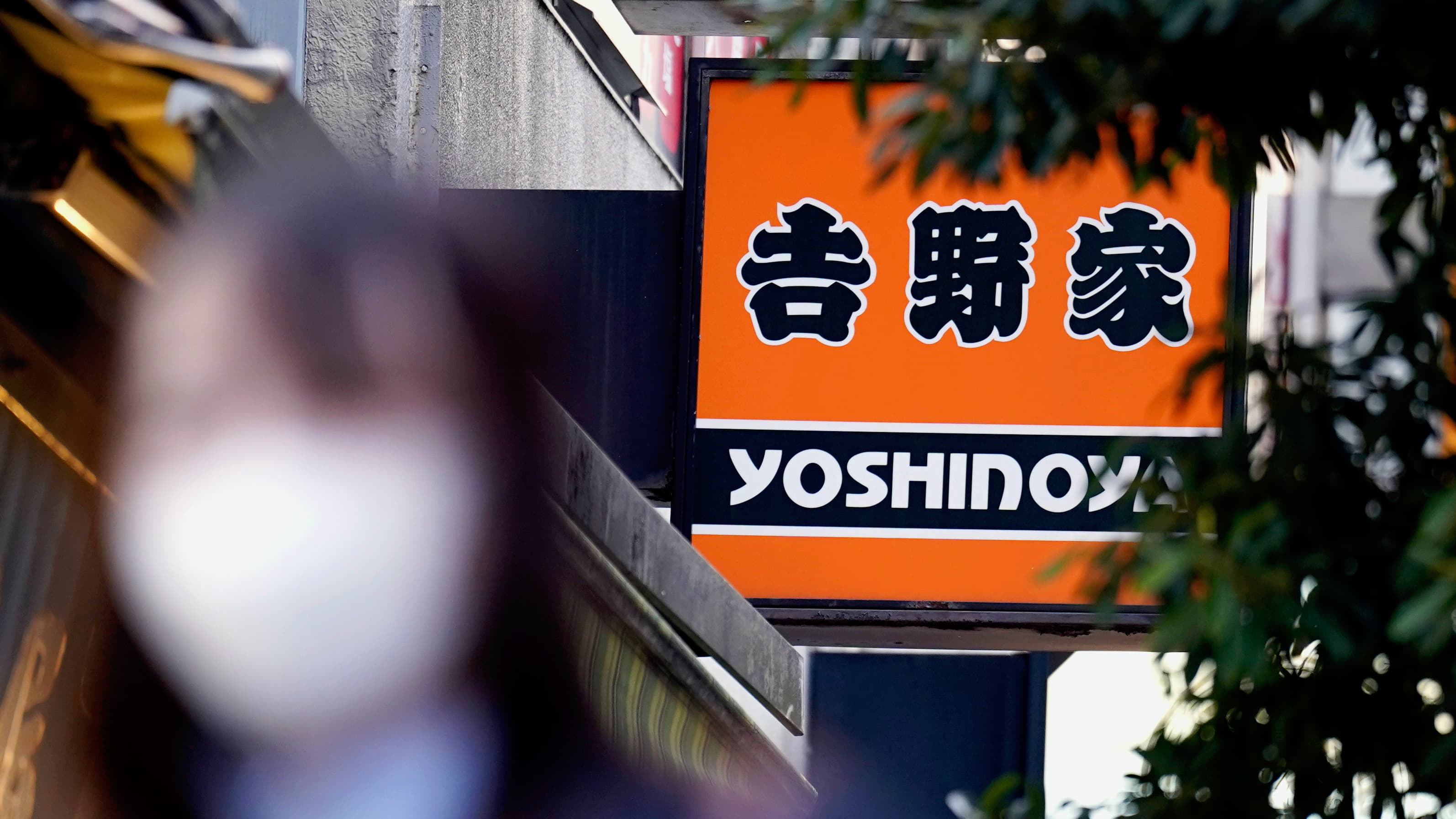
A signboard of a Yoshinoya restaurant, a fast food beef bowl chain, is seen on April 5, 2023, in Tokyo. Japanese police have arrested two men on suspicion of shoveling ginger condiment into his mouth directly from a communal container with his chopsticks at a famous beef bowl restaurant in western Japan, a latest in the series of food pranks that had earlier hit sushi chains and known as “sushi terrorism.”
For Greta Taswan, eating sushi was high on her to-do list during her recent trip to Tokyo with her family.
But then, Taswan, who is from Indonesia, heard about the recent phenomenon of so-called sushi terrorism.
“We’re not feeling safe,” she said.
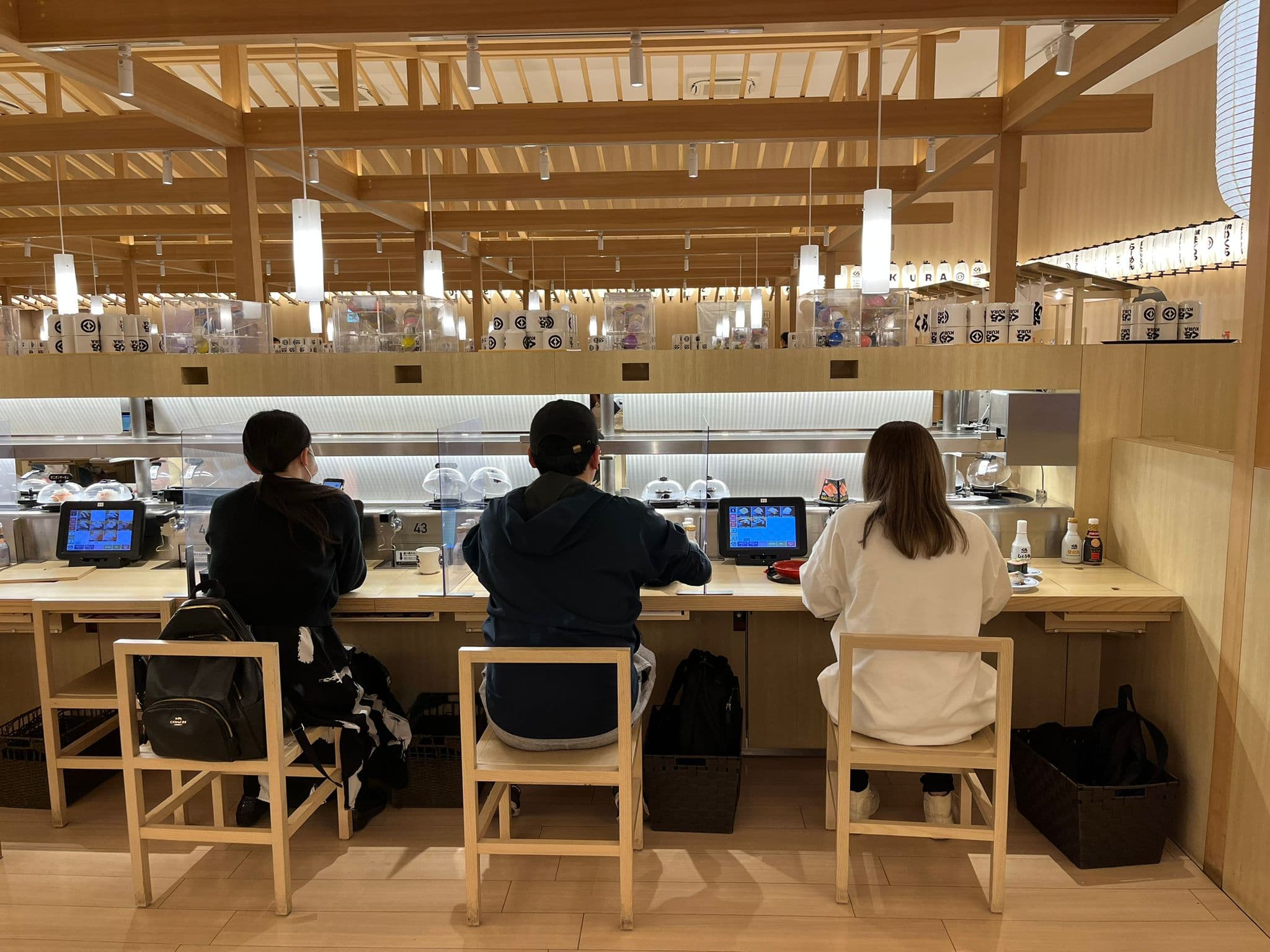
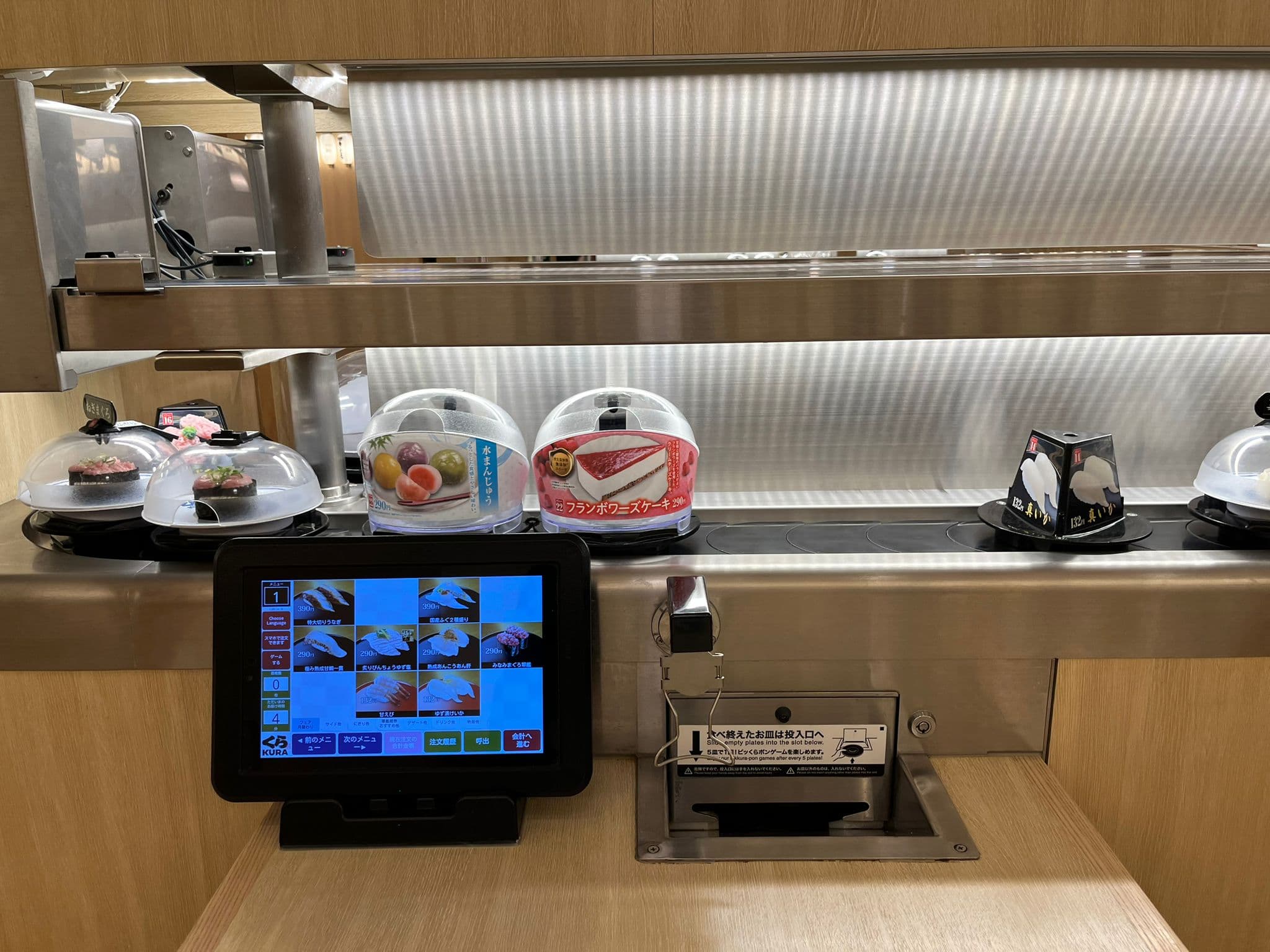
That’s why she opted to dine at Kura Sushi in Tokyo’s Asakusa neighborhood. There’s a sushi conveyor belt that her two toddlers enjoy watching — and a contactless ordering system that provides fresh sushi on demand — without any risk of passing through a stranger’s hands.
Revolving sushi restaurants, known as kaitenzushi in Japan, have become an international staple since the concept was invented in the late 1950s. Today, in Japan, there are hundreds of them. But with heightened concerns over hygiene since the COVID-19 pandemic, this model had been facing an existential crisis.
Things got worse when, in February, a group of roguish TikTokers started posting disturbing videos that have put the country’s restaurant — and notably, sushi — industry in distress.
In one set of videos, young men are seen picking up sushi off the conveyor belts, licking them, and then putting them back. Others show pranksters spraying sushi with hand sanitizer, putting soy sauce bottles in their mouths, and even spitting into teacups. To date, the antics have led to at least five arrests.

In response, a number of restaurants have retired their sushi conveyor belts altogether. Others have taken away the communal condiments. But for diners like Taswan, the fear persists.
“We are going with our kids, so we want to be safe,” she said.
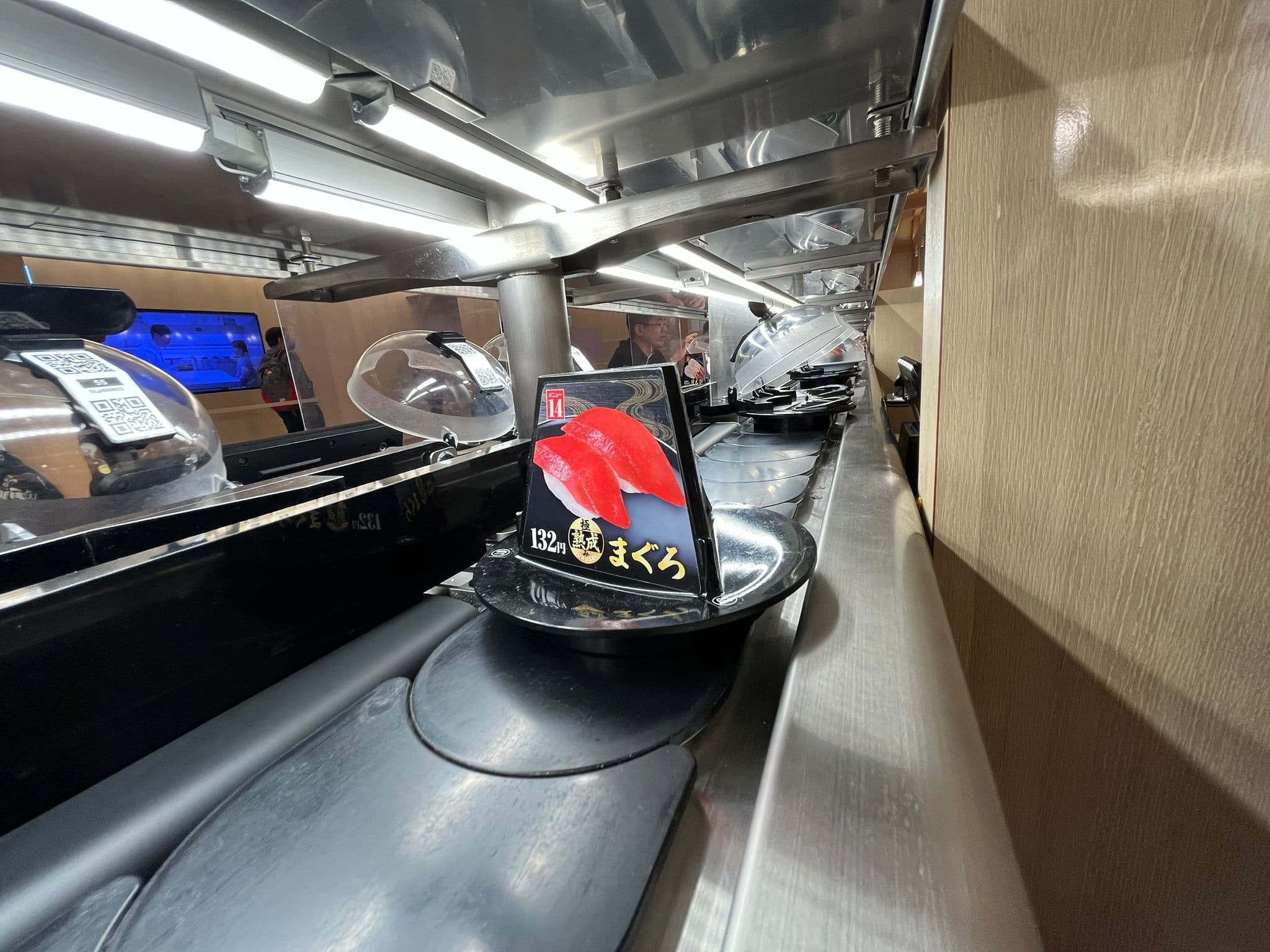
So, some restaurants are taking security measures a step further to reassure diners. Their solution: AI.
Akihiro Tsuji, a spokesperson at Kura Sushi, showed how the new technology works from one of the restaurant’s booths. A hidden camera above the conveyor belt watches customers pick up plates of sushi.
“The AI technology has a sensor that can detect any tampering with the food,” Tsuji said. “Any suspicious activity is flagged to the head office in Osaka along with the serial number of the plate in question and the table number where it’s happening.”
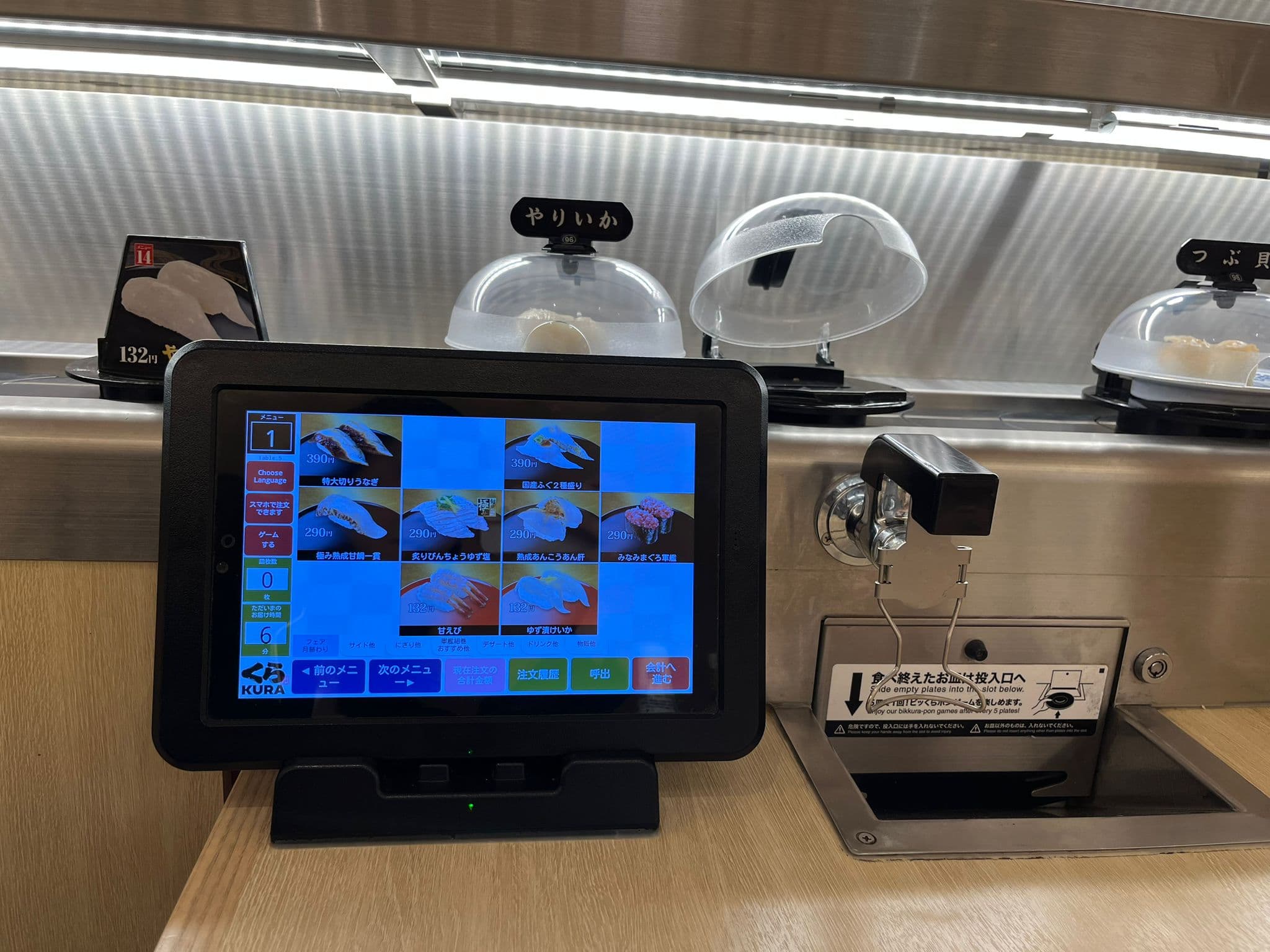
From there, he said that restaurant staff can be alerted and if necessary, intervene.
Tsuji said that he hopes that these added measures will be enough for diners to feel safe.
But Mitsu Take, a local customer at Kura Sushi, said that he was never worried.
“These were just a few isolated incidents,” he said. “Just some youngsters acting out their frustrations after living through COVID[-19]. Most Japanese people respect a certain level of hygiene standards.”