Public radio’s longest-running daily global news program.
©2025 The World from PRX
PRX is a 501(c)(3) organization recognized by the IRS: #263347402.
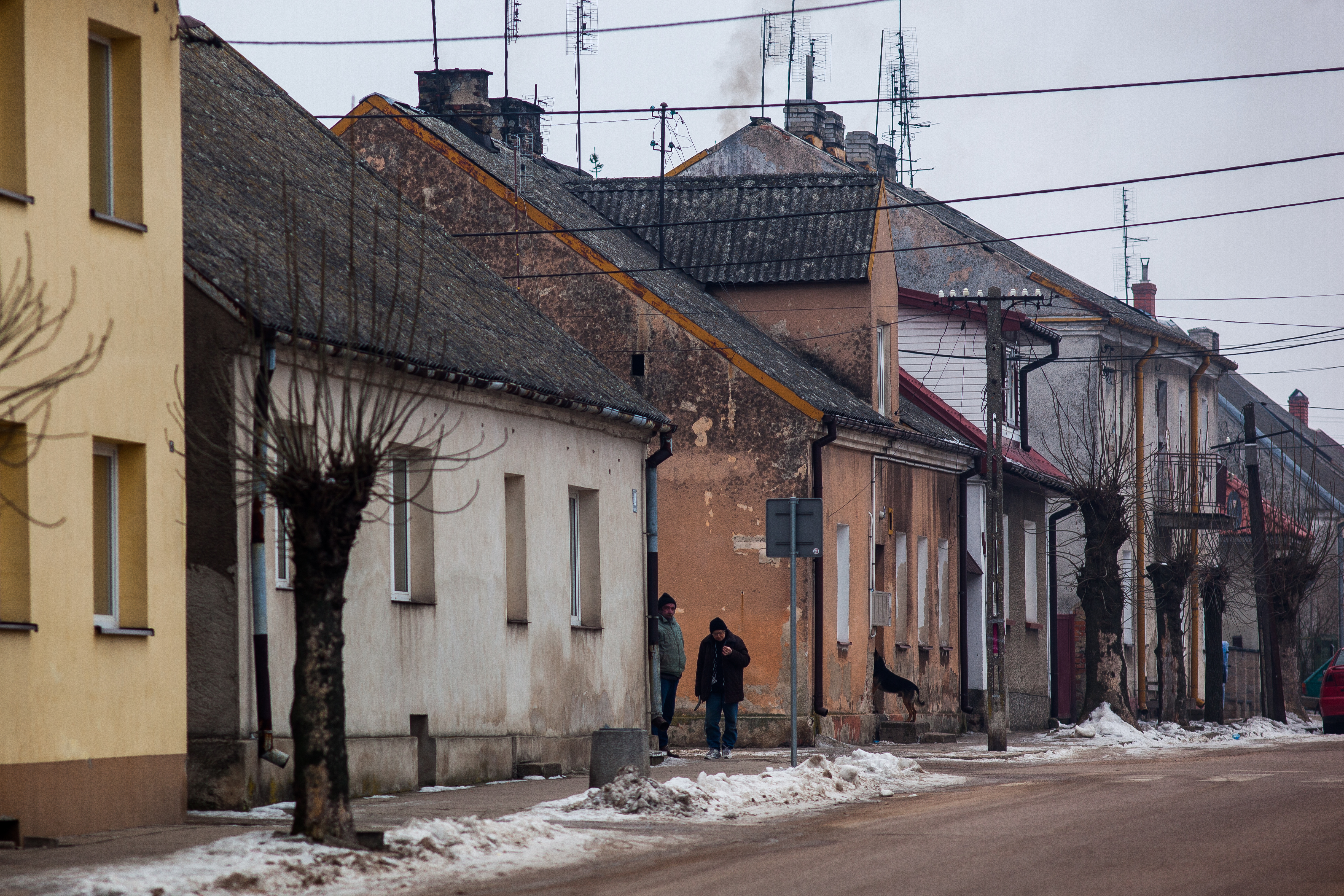
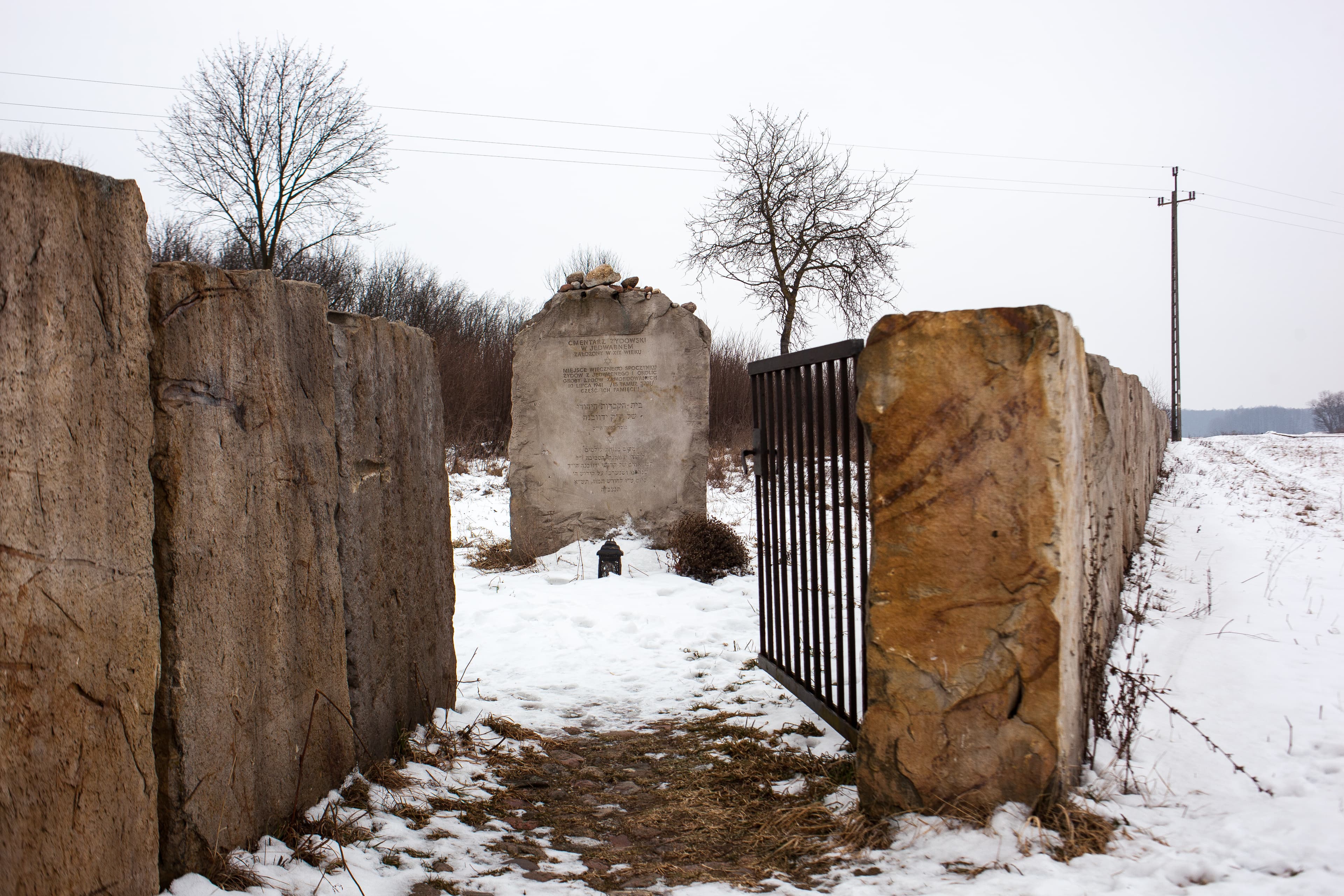
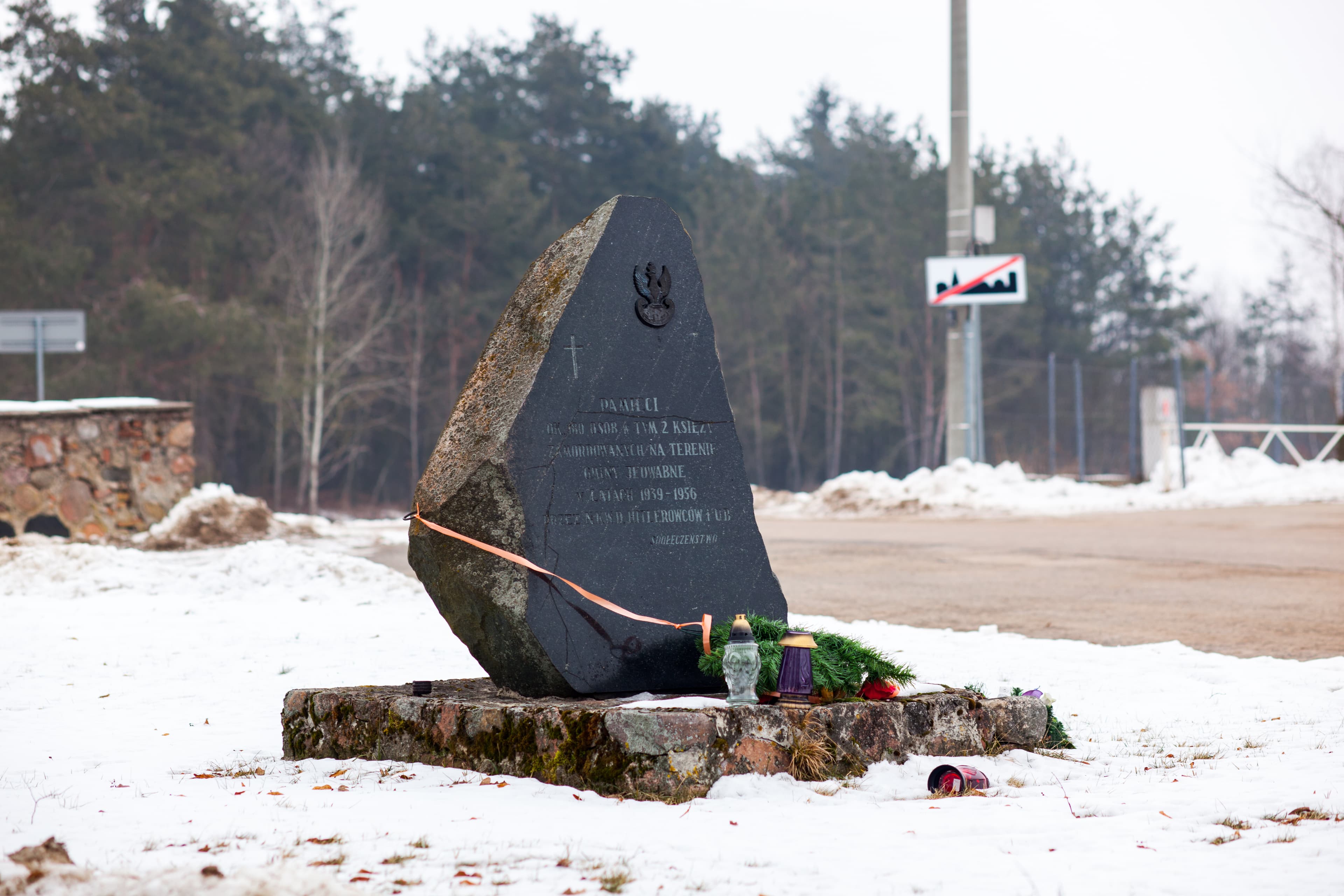
The Jewish residents of the Polish village of Jedwabne were killed July 10, 1941. For years the village attributed the massacre to German soldiers. In 2000, historian Jan Gross wrote a book that told a different story, that the Jews were killed by their Polish neighbors. The book caused an uproar in Poland and the story of Jedwabne continues to reverberate in Poland today.
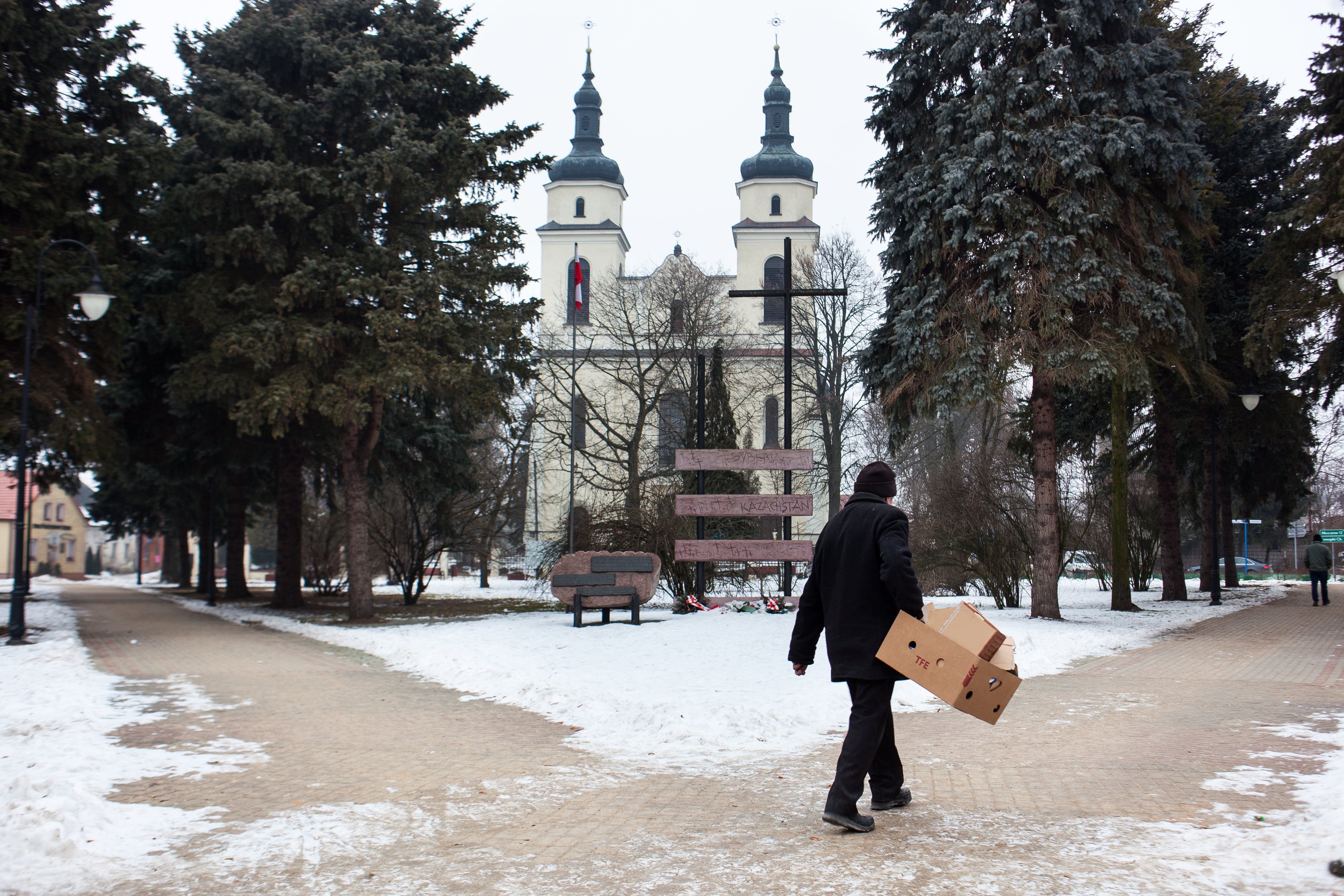
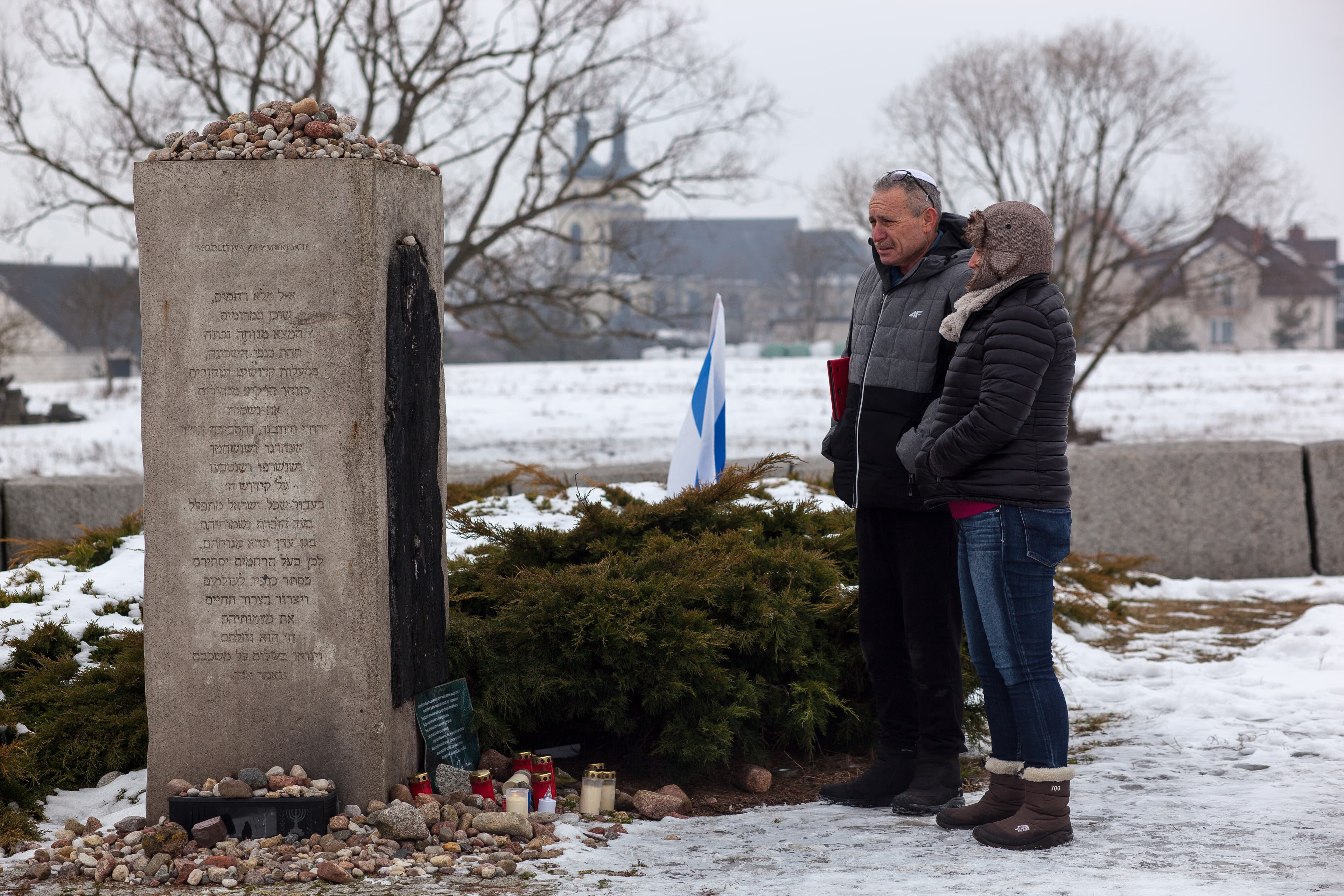
Higay and Adi from Israel, in front of the monument dedicated to the Jews murdered by the local population in 1941. The monument was erected in 2001. In the background stands the St. Jacob Church.
If wars leave scars, then Poland has a deep red gash through its middle. For six years during World War II, the country was fought from both sides; the Soviet Union invaded from the east and Germany from the west. Five million Poles died during the war — that’s one-fifth of the population. Three million of them were Polish Jews. No village was untouched.
Today fragments of the war are still everywhere in the country. In fact, just this past week unexploded World War II bombs were found in Bialystok — not too far from the village of Jedwabne.
The Jewish inhabitants of Jedwabne were brutally murdered on July 10, 1941. They were burned alive in a barn. The details of this atrocity are still highly contested. For years the village attributed the massacre to German soldiers.
However, in 2000, historian Jan Gross wrote a book entitled, “Neighbors” that told a different story. He wrote that the Jews were killed not by Germans, but by their Polish neighbors. Gross' book caused an uproar in Poland. For months Poland was consumed by a discussion of and reflection on the truth about the war. The Institute of National Remembrance, a government organization designed to look at crimes of the past, did an investigation of the massacre.
In 2001, the president of Poland at the time, Aleksander Kwaśniewski, went to Jedwabne to erect a new monument to commemorate the massacre. He apologized to the Jewish community.
Today the country continues to grapple with what happened that summer day in 1941.
Hear more about this story in the audio above.