Public radio’s longest-running daily global news program.
©2025 The World from PRX
PRX is a 501(c)(3) organization recognized by the IRS: #263347402.
Albert Woodfox, who spent 43 years in solitary confinement, has been ordered released. The amount of time that prisoners in the US spend in solitary confinement is among the highest in the world. Architect Raphael Sperry wants to put an end to construction of solitary cells altogether.
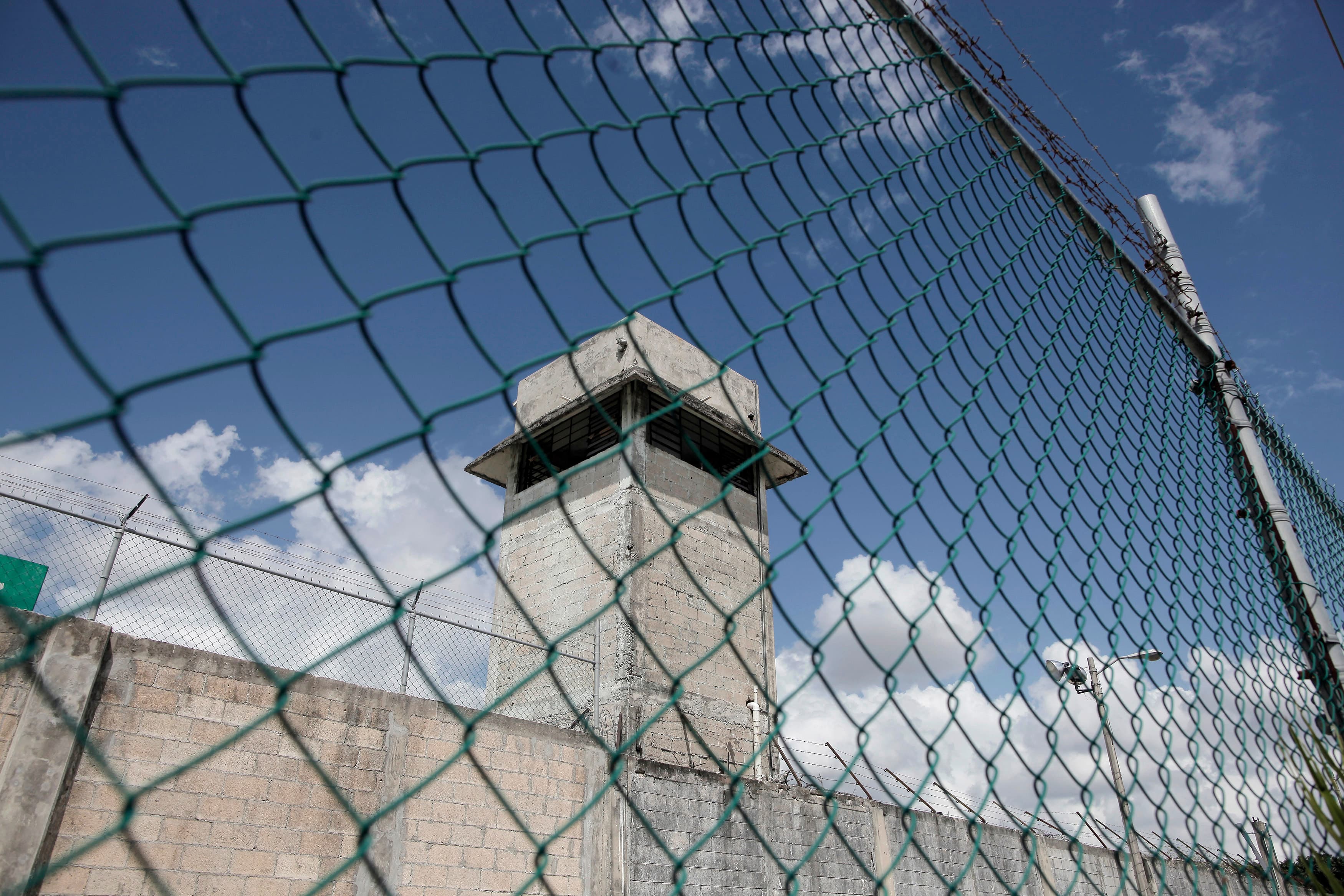
A watchtower from jail is seen from the street. March 13, 2015.
Albert Woodfox was confined to a Louisiana prison cell all by himself — for 43 years.
He was initially convicted for armed robbery, but later accused of murdering a prison guard when a riot broke out. Woodfox has always maintained his innocence, adding that he was convicted because of his ties to the Black Panthers.
But Woodfox's ordeal could be coming to an end. On Monday, a judge ordered his release. While he might soon be out of prison, years of solitary confinement has had a major impact on his life.
"People are social animals, that’s how we evolve," explains Raphael Sperry, an architect and president of Architects, Designers, and Planners for Social Responsibility. We "need human interaction to stay healthy. … If you have no opportunity to converse with another person … you’ll lose control of your mind."
As an architect, Sperry has begun a campaign to end construction of new prisons with solitary confinement in the US. "My organization has been telling other architects … that our members should not design spaces that are intended to torture people," he says.
The American Institute of Architects code of ethics states that “members should uphold human rights in all their professional endeavors." For Sperry, building prisons that house solitary confinements, torture chambers and even death chambers go against this very code.
In fact, considering the way the correction system in the US works right now, he feels construction of any prison should be stopped altogether.
"I don’t know of any jurisdictions in the United States that are willing to treat their prisoners with dignity and respect," he says. "Until they clean up their act, I wouldn’t say there’s any point in designing a nicer prison for them.”