Public radio’s longest-running daily global news program.
©2025 The World from PRX
PRX is a 501(c)(3) organization recognized by the IRS: #263347402.
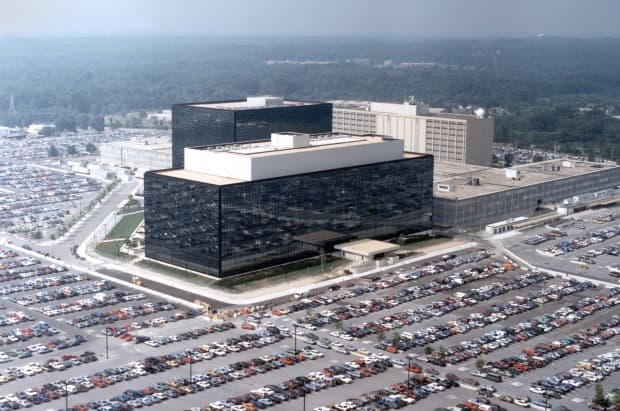
The disclosure that the National Security Agency has been secretly collecting a massive amount of phone records from Verizon is reigniting the debate over what the right balance is between privacy and government efforts to uncover possible terror threats.
An undated aerial handout photo shows the National Security Agency (NSA) headquarters building in Fort Meade, Maryland. REUTERS/NSA/Handout via Reuters (UNITED STATES – Tags: POLITICS) THIS IMAGE HAS BEEN SUPPLIED BY A THIRD PARTY. IT IS DISTRIBUTED, EXACTLY AS RECEIVED BY REUTERS, AS A SERVICE TO CLIENTS. FOR EDITORIAL USE ONLY. NOT FOR SALE FOR MARKETING OR ADVERTISING CAMPAIGNS – RTX10DXS
You’ve probably used the phone today. Are you worried yet?
The National Security Agency’s secret collection of phone records from Verizon was on most Americans’ minds Thursday.
The Obama Administration is defending the practice as a necessary tool to keep the nation safe from terrorist attacks.
Britain’s Guardian newspaper broke the story about the secret court order authorizing the seizure of Verizon records.
And the disclosure has opened up a whole bag of questions about how far the government is reaching into our privacy in the name of security.
James Bamford has written extensively about this.
His latest book is “The Shadow Factory: The Ultra-Secret NSA from 9/11 to the Eavesdropping on America.”