Public radio’s longest-running daily global news program.
©2025 The World from PRX
PRX is a 501(c)(3) organization recognized by the IRS: #263347402.

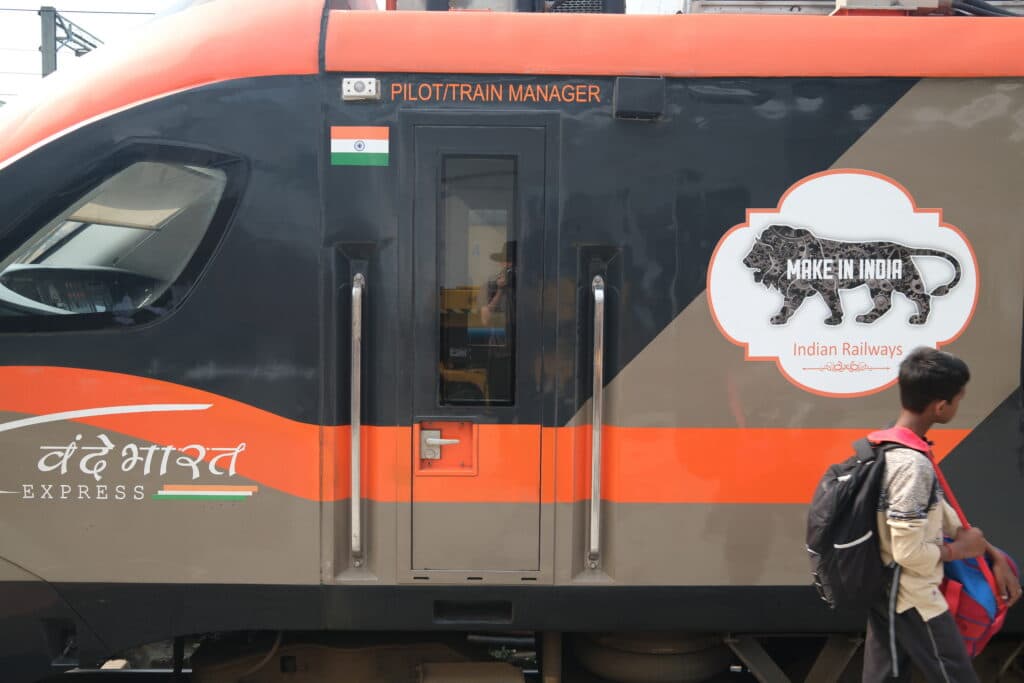
Vande Bharat trains can reach speeds of 100 miles per hour and have reduced travel times on routes across India. Although some people say they’re a break from the romantic and nostalgic versions of older Indian trains, many are embracing the modern versions with excitement. Now, the first sleeper train in the fleet is proving particularly popular.
The Vande Bharat sleeper train before departure at Howrah Junction station, Kolkata, India.
Smiling passengers jostled for selfies with the first Vande Bharat sleeper train on Platform 6 at Howrah Junction station, Kolkata, West Bengal. As thunder cracked overhead, the train’s sleek orange, black and grey nose became the backdrop of hundreds of photos.
When this train launched in January, some passengers’ videos praising it went viral. “This doesn’t feel like a typical train,” Guwahati-based travel vlogger Anushia Sharma said in her video. “If this is the future of train travel in India, I’m really impressed.”
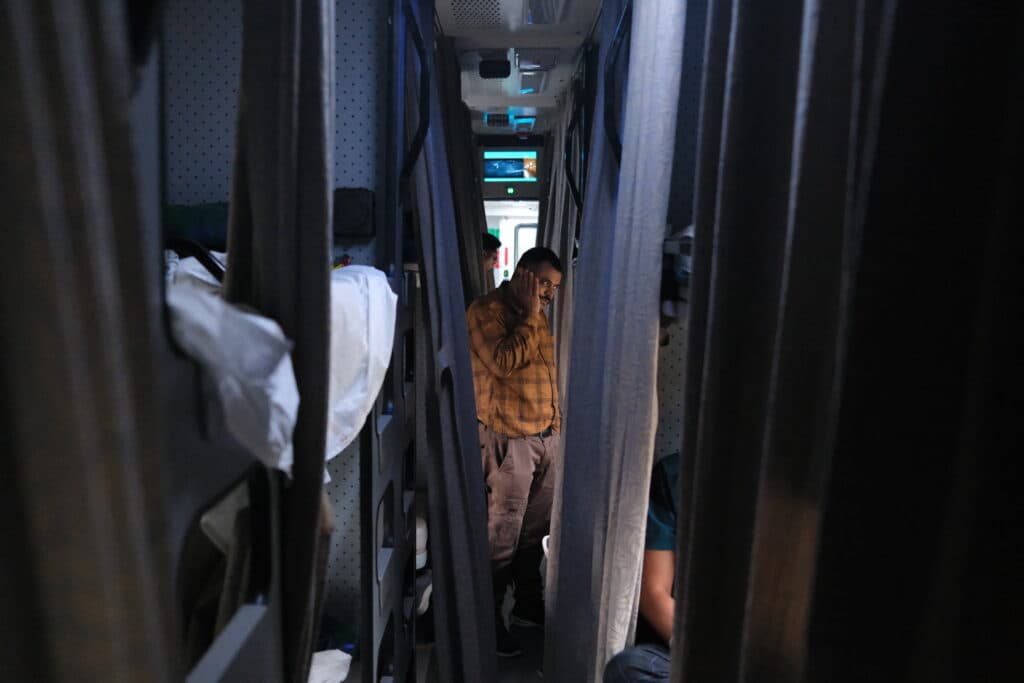
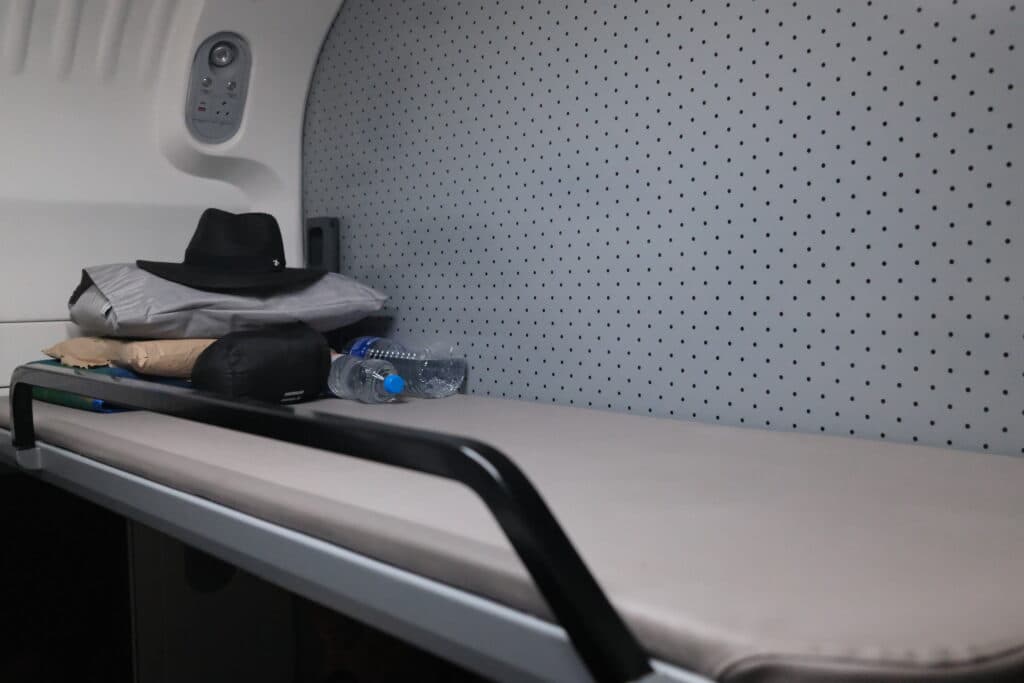
When the passengers stepped into their carriages at Howrah Junction, they found immaculately clean light-grey furnishings. The sleeper train departed at its scheduled time of 6:20 p.m., traveling north toward Guwahati. On the new night train, it’s a 14-hour journey, down from nearly 18 hours on some of the older trains.
The new Vande Bharat trains have a top speed of 100 miles per hour, and although some rarely or never reach this speed, many have significantly reduced travel times on routes across India. The cheapest sleeper train ticket on the Kolkata-Guwahati route costs the equivalent of $25 — expensive by local standards. The Vande Bharats are billed as premium services and alternatives to taking flights.

Vande Bharat means “Salute to India” in the ancient Sanskrit language, and India’s government has called the trains a “new phase” for its rail services. They represent a break from the crowded, grimy image some people have of older Indian trains.
Indian Railways has, of course, launched various new trains and upgrades over the years. But in 2019, the launch of the first Vande Bharat Express day trains sparked particularly huge public interest. There are now more than 150 Vande Bharat trains in operation.
They are Indian-made but have been compared to new European trains: sleek, modern, semi-high speed. A break from the romantic and nostalgic image some train purists have of the Indian railway network: an image of open windows and doors, the wind in your hair, and sipping chai on slow, trundling 18-hour journeys.
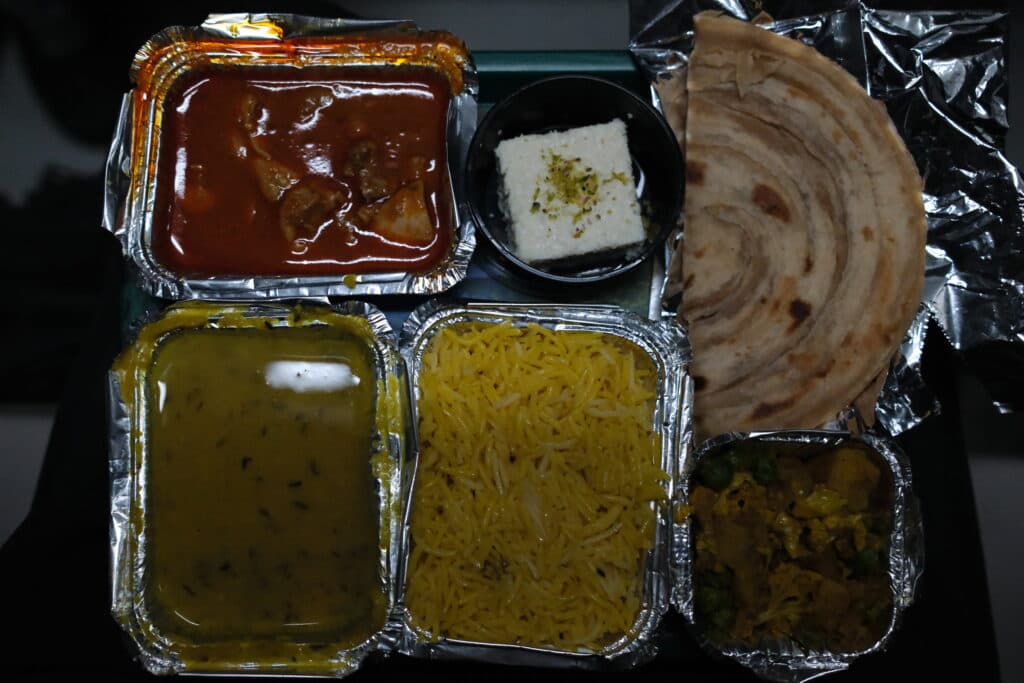
Chai is, however, also available on the first Vande Bharat sleeper train — plus, pretty good food. Passengers are served chicken or paneer curry, rice, potatoes, flatbread and a milk sweet. Each sleeper berth has various plug and wire sockets for charging devices, with a pillow and sheets provided. Passengers said the ride was far smoother than many clunky journeys they’d had on older trains.
“Trains have been intrinsic to our lives,” said Shashanka Nanda on a phone call. He’s a long-time member of the Indian Railways Fan Club Association, and closely follows new train launches. “There is hardly anybody in this country whose life has not been touched by trains in [some] way,” he added. “They are part of the fabric of our society. For a large part of our population, they still remain the primary mode of transport.”
Nanda added that he and his fellow train obsessives have generally been thrilled about the arrival of the new Vande Bharat services. “They elevated the standard of train operations in this country, and millions of people have already traveled on them,” he said. “So, when the sleeper version was announced, there was obviously a lot of excitement.”
Nanda said that service and cleanliness standards had slipped on some of the older train services he had used. He said that Vande Bharat trains, such as the new night train, had raised the bar back up.
“I know of many people within my own circle who swore by not traveling by train, but they did end up on a Vande Bharat,” Nanda said. “And they said, ‘Oh, this is fantastic, and this is like [what] we’ve seen in Europe. And we’ll definitely want to travel on this again.’”
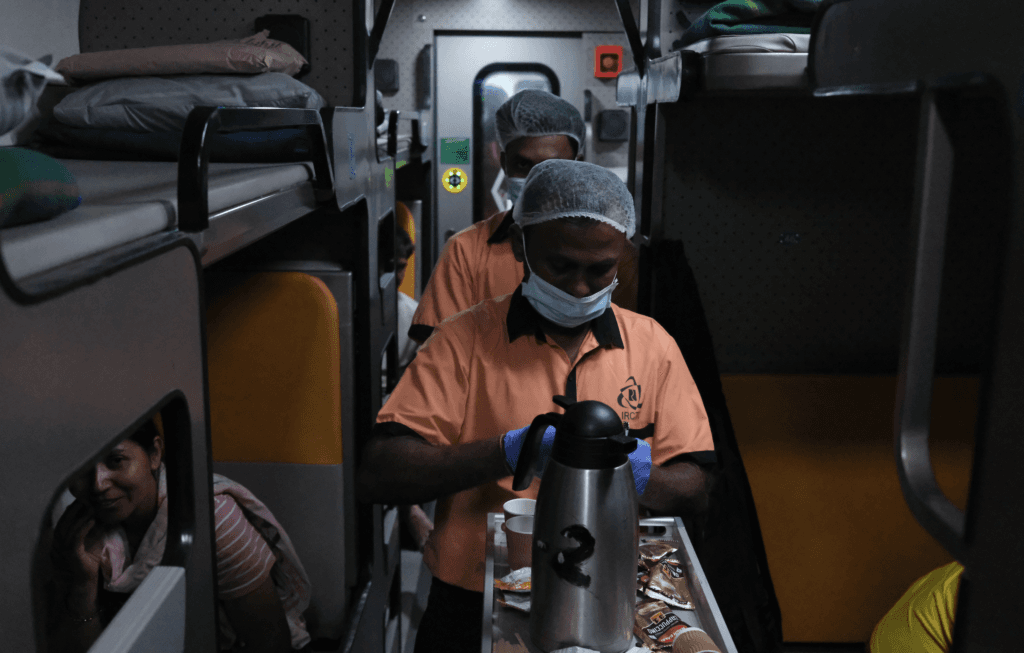
The launch of the Vande Bharat sleeper train hasn’t been perfect, though. A video showing litter strewn in one of its carriages went viral in January. Perhaps that influenced the rigorous staff cleaning schedules observed on the train in April, a few months after that video sparked online debate about passenger behavior.
India’s government is investing heavily in new trains and aims to have 800 Vande Bharat trainsets operating by 2030, including day trains and sleepers. The goal is to have 4,500 Vande Bharat trainsets operating by 2047.

Tourists might argue that the new sleeper train doesn’t bring the pure adventure or romance on the rails that older Indian trains do. But this new era of slick, modern, practical and diligently vacuum-cleaned train travel is clearly connecting with the public.
The first Vande Bharat night train makes 12 journeys a week between Kolkata and Guwahati — and always sells out.