Public radio’s longest-running daily global news program.
©2025 The World from PRX
PRX is a 501(c)(3) organization recognized by the IRS: #263347402.
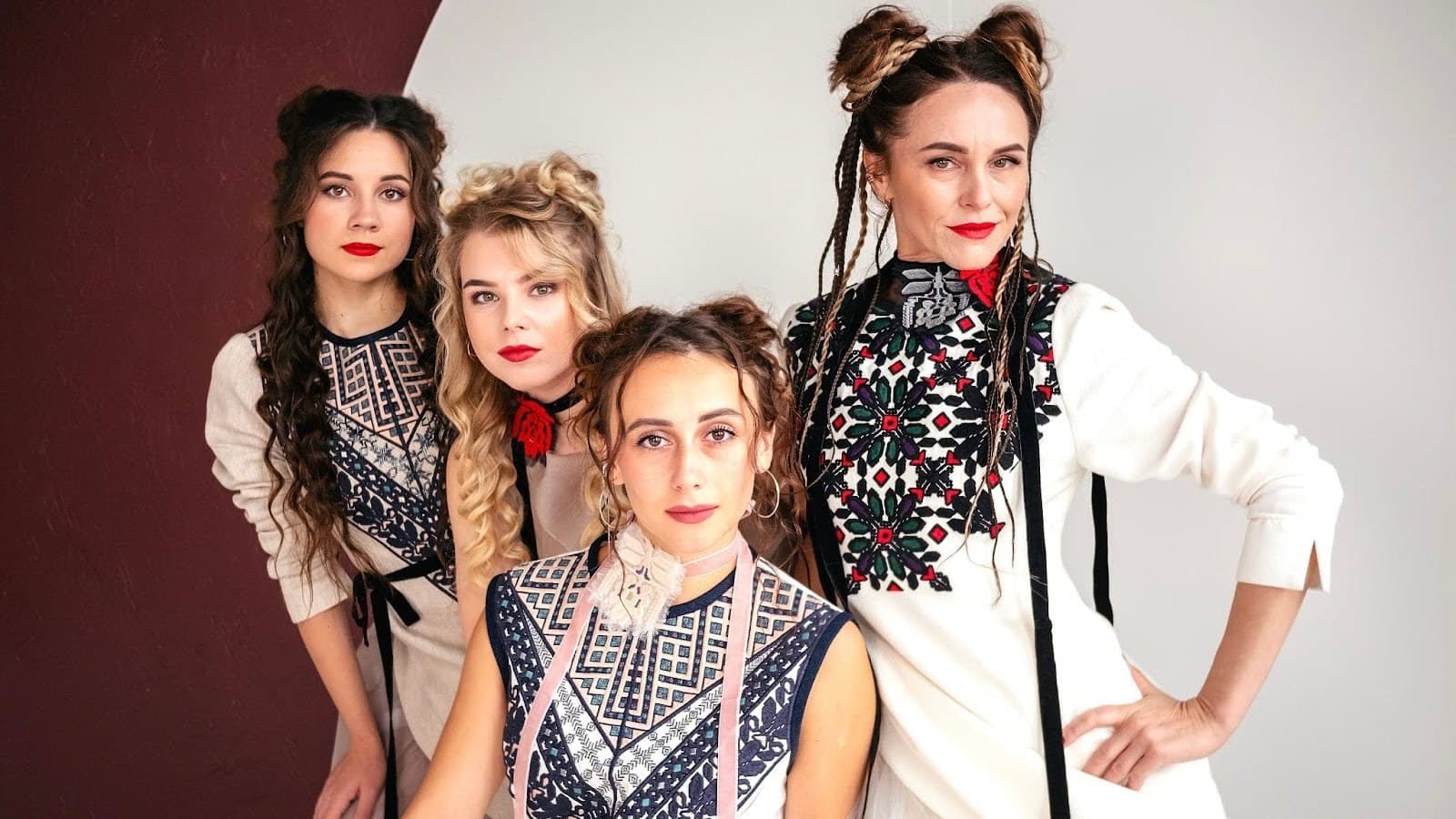
Founded in 2016, the group takes centuries-old songs traditionally sung a cappella and modernizes them with instruments, movement and contemporary lyrics. They’re bringing their sound to American audiences this month.
Members of the Ukrainian folk group Yagódy, left to right: Vasylyna Voloshyn, Nadiia Parashchuk, Tetyana Voitiv and Zoryana Dybovska.
Though Yagódy’s four singers start their hour-long set at the Big Ears Festival seated, there is nothing subdued about their performance. They yelp, wail and wave their arms, adorned in feather headdresses and bright red lipstick. Their raw, intense sound is at the core of the band’s music — and of traditional Ukrainian singing.
Ukraine has one of the richest folk traditions in the world, with over 15,000 documented songs, many passed down orally over generations.
“Sometimes the songs are stuck and they’re somewhere in villages. Grannies are singing them,” said Timur Gogitidze, the band’s drummer.
Efforts like the Polyphony Project have worked to record and archive these songs, but artists like Yagódy are finding new ways to keep them alive. Traditional Ukrainian music uses a style of singing known as polyphony, where each singer carries their own melodic line. It produces a rich, powerful wall of sound. But the songs are not always easy for listeners to follow. With complex melodies, they don’t always have a recognizable structure for modern ears and can stretch on for ten minutes or more.
So Yagódy began reshaping them, adding rhythm, structure and sometimes new lyrics.
“You need a hook, [so] people can sing along with you,” Gogitidze said.
Since 2024, the band has been releasing original music. Their latest single, out this spring, translates to “Do Not Break the Viburnum.” It is a reference to the shrub with red berries and a symbol of Ukrainian heritage. The lyrics focus on those waiting at home during the war with Russia, while those they love are on the battlefield. As the war in Ukraine continues, preserving and reshaping these songs has taken on new urgency.
The band’s recent shift to creating new music was in part strategic, a way to capture more listeners, especially with the current interest in Ukrainian culture, both at home and abroad.
The balance between preservation and reinvention shows up not just in the music, but in how the band dresses on stage. Instead of wearing traditional embroidered garments called vyshyvankas, the band wears flowing red and black gowns — an avant-garde reinterpretation for contemporary audiences, explained the band’s founder Zoryana Dybovska.

“We work with Ukrainian culture, with the Ukrainian traditions, with our Ukrainian costumes. But we try to pass them on in modern images,” Dybovska said. “We work with Ukrainian designers. They leave elements of tradition.”
For example, Dybovska says that instead of a traditional flower headband, they use feathers for some “extravagance.”
The colors are a nod to tradition and have long been associated with Ukrainian resistance. Red for love and vitality, black for grief and the land.
On their American tour this spring, it’s a look and sound that is hard to ignore.