Public radio’s longest-running daily global news program.
©2025 The World from PRX
PRX is a 501(c)(3) organization recognized by the IRS: #263347402.
Albert Laguna, an associate professor of American Studies and Ethnicity, Race, & Migration at Yale University, is teaching a new class this semester called “Bad Bunny: Musical Aesthetics and Politics.” The course will put Bad Bunny’s music into context and teach students about the colonial relationship between Puerto Rico and the United States, which is a key theme Bad Bunny explores in his lyrics. The World’s Bianca Hillier went to Yale’s campus to learn more.
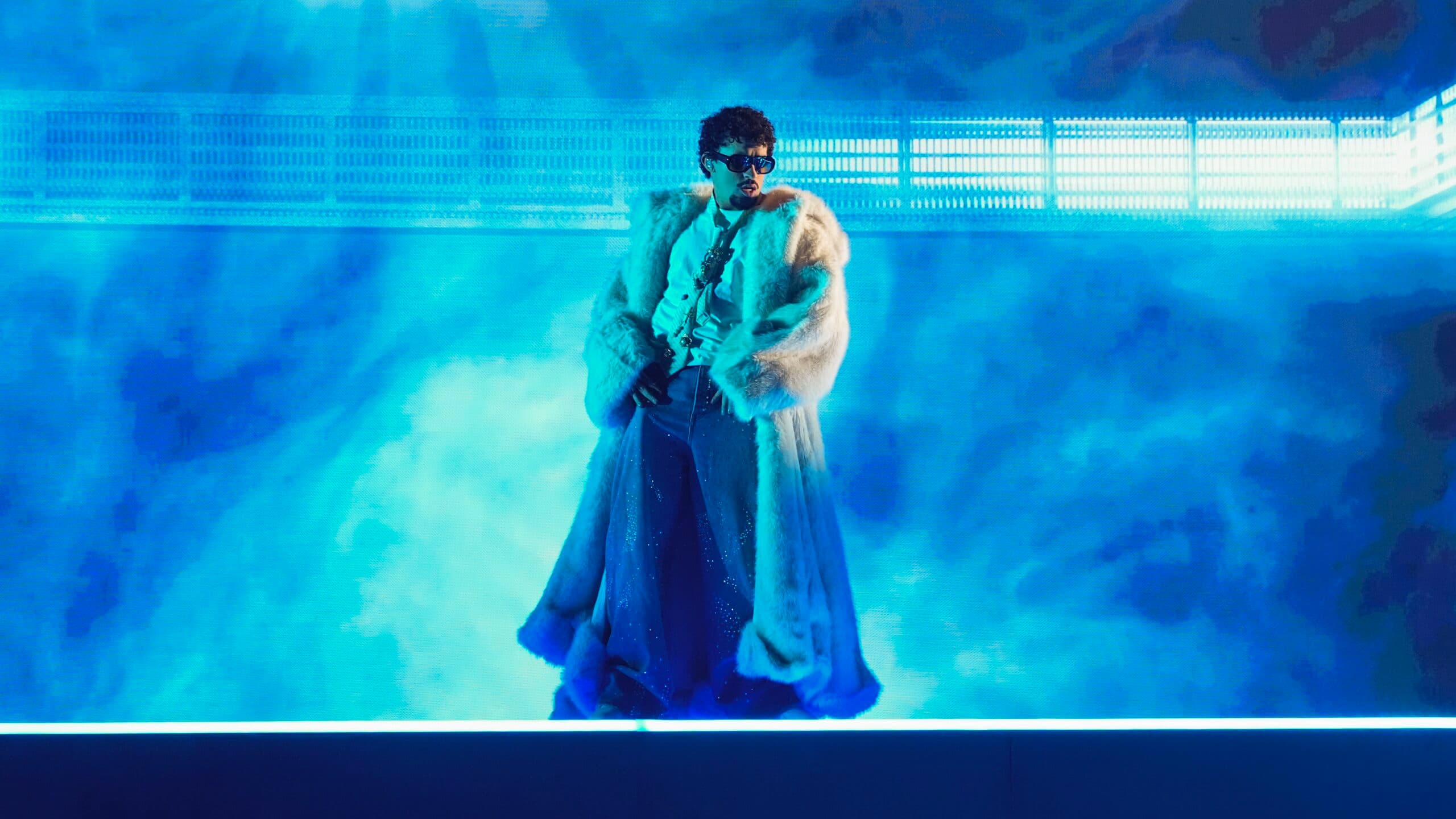
Bad Bunny performs during the iHeartRadio Music Awards, March 17, 2025, at the Dolby Theatre in Los Angeles.
Growing up in New Jersey, Albert Laguna was surrounded by Puerto Ricans, Dominicans and his own Cuban family.
One particular song took him right back to dancing as a kid at family parties: The 1975 hit, “Un Verano en Nueva York,” by El Gran Combo de Puerto Rico, one of the most famous salsa bands in history.
Fast forward 50 years: Laguna heard those opening horns again. This time, that iconic intro was just a sample. It led into a brand new song — “NUEVAYoL” — by Puerto Rican megastar Bad Bunny — who quickly puts his own spin on things with a more reggaeton-style beat, Laguna said.
“NUEVAYoL” is the first track on Bad Bunny’s latest album, “DeBÍ TiRAR MáS FOToS” (which translates to “I should have taken more photos”). It’s had massive commercial success — even by Bad Bunny standards — eventually spending four weeks leading the Billboard 200 chart.
In November, the singer, born Benito Antonio Martínez Ocasio, will embark on a world tour. But before that, Laguna is bringing the album to Yale, where he’s an associate professor of American Studies and Ethnicity, Race and Migration.
“This album allows us to sit down and focus on Puerto Rico,” Laguna said. “A place that most of my students don’t fully understand.”
Laguna said the class — called “Bad Bunny: Musical Aesthetics and Politics” — begins in the 19th century. From there, the syllabus tracks Puerto Rico’s history.
“And it’s using one or two songs from the latest album as a structuring device for each class,” he added.
Specifically, students will look at the colonial relationship between Puerto Rico and the United States. That’s a key theme that Bad Bunny explores in his lyrics.
For example, in the song “LO QUE LE PASÓ A HAWAii,” he sings about a Puerto Rican man who is leaving the island.
“And it’s not because he wants to leave Puerto Rico, it’s because of the corruption — the corruption inherent in the colonial project,” Laguna explained. “The economic constraints of living in Puerto Rico — high cost of living, gentrification. So, he doesn’t want to leave, but he has to.”
Topics like this are exactly why Antonio Padilla, a third-year student at Yale, signed up for the new class. His parents left Puerto Rico for Connecticut as kids, and raised him and his sister in the United States.
“A lot of people have to leave the island, and a lot of people don’t come back. And that’s really huge when you’re just a small island. The population is getting shrunken,” Padilla said. “And I think Bad Bunny is just really speaking against that and trying to revitalize something. And encouraging people to come back.”
Bad Bunny, himself, continues to return to the island. He’s currently nearing the end of a 30-show residency in San Juan.
“The title of the residency is ‘No Me Quiero Ir de Aquí.’ ‘I don’t want to leave here,’” said Laguna. “That’s an incredibly political statement.”
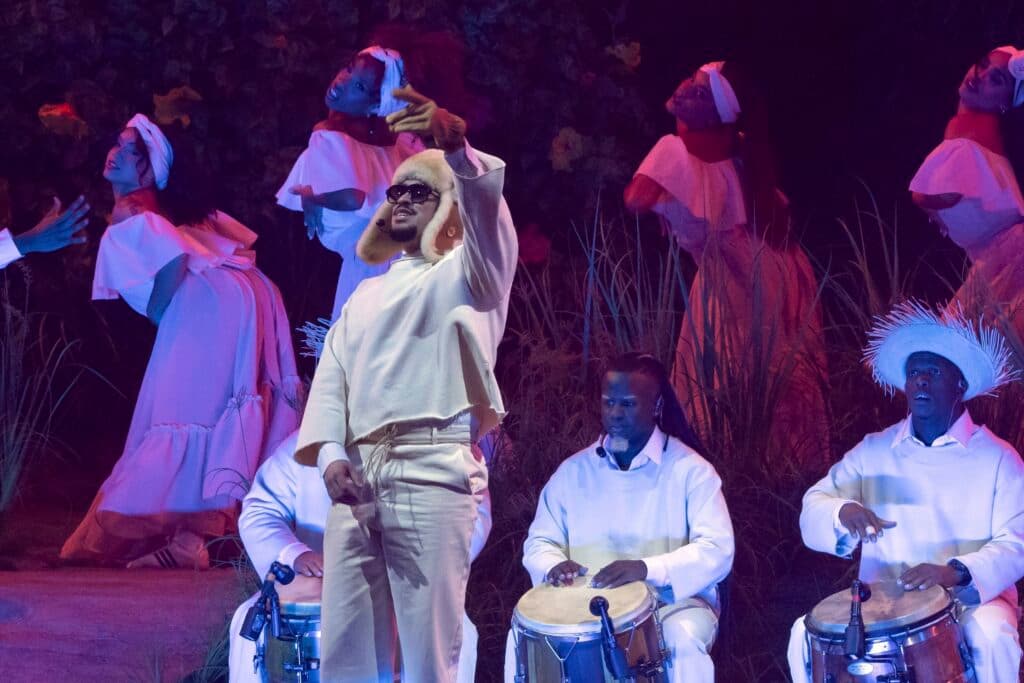
The city of San Juan estimates the residency will bring in nearly $380 million and create more than 3,000 jobs. Laguna said even that won’t solve the island’s economic challenges, but it does show that opportunities exist.
“What’s the narrative for most people when they get famous, right? They get big locally, then they go international. He’s — he’s flipping it,” Laguna said. “He’s like, ‘You wanna see me? This concert will not be recreated in the way it’s happening in Puerto Rico anywhere else in the world. You wanna see it? You have to come to Puerto Rico.’”

Aside from the island’s history, Laguna will also use the new class to place Bad Bunny’s success within a broader context of Caribbean popular music.
“Music from the Caribbean has been molding popular music taste — on a global level — since the 19th century,” he said. “Bad Bunny is another link in a much longer chain: mambo, salsa, reggaeton, cha-cha-cha, reggae. These are all musical rhythms from the Caribbean that have taken the world by storm.”
Laguna is not the first professor to teach about Bad Bunny. There have also been courses at Wellesley College and Loyola Marymount. The amount of attention Laguna’s class is getting shows there’s still a big demand.

He said people of all ages have reached out with interest in the course — from teens to people in their 70s. “It’s rare to have a popular culture artifact with that level of intergenerational interest,” Laguna said.
On campus, more than 120 students hoped to get a seat, but Laguna is keeping it small at just 18 juniors and seniors.
Padilla is ecstatic to be one of them.
“To me, this signifies a growth in terms of popularity and exposure that Puerto Rico has to the rest of the world,” he said. “That, I’m very proud of. And not only that, but it gives me a way to talk about these things with other Puerto Ricans, and not only Puerto Ricans, but people in general.”