Public radio’s longest-running daily global news program.
©2025 The World from PRX
PRX is a 501(c)(3) organization recognized by the IRS: #263347402.
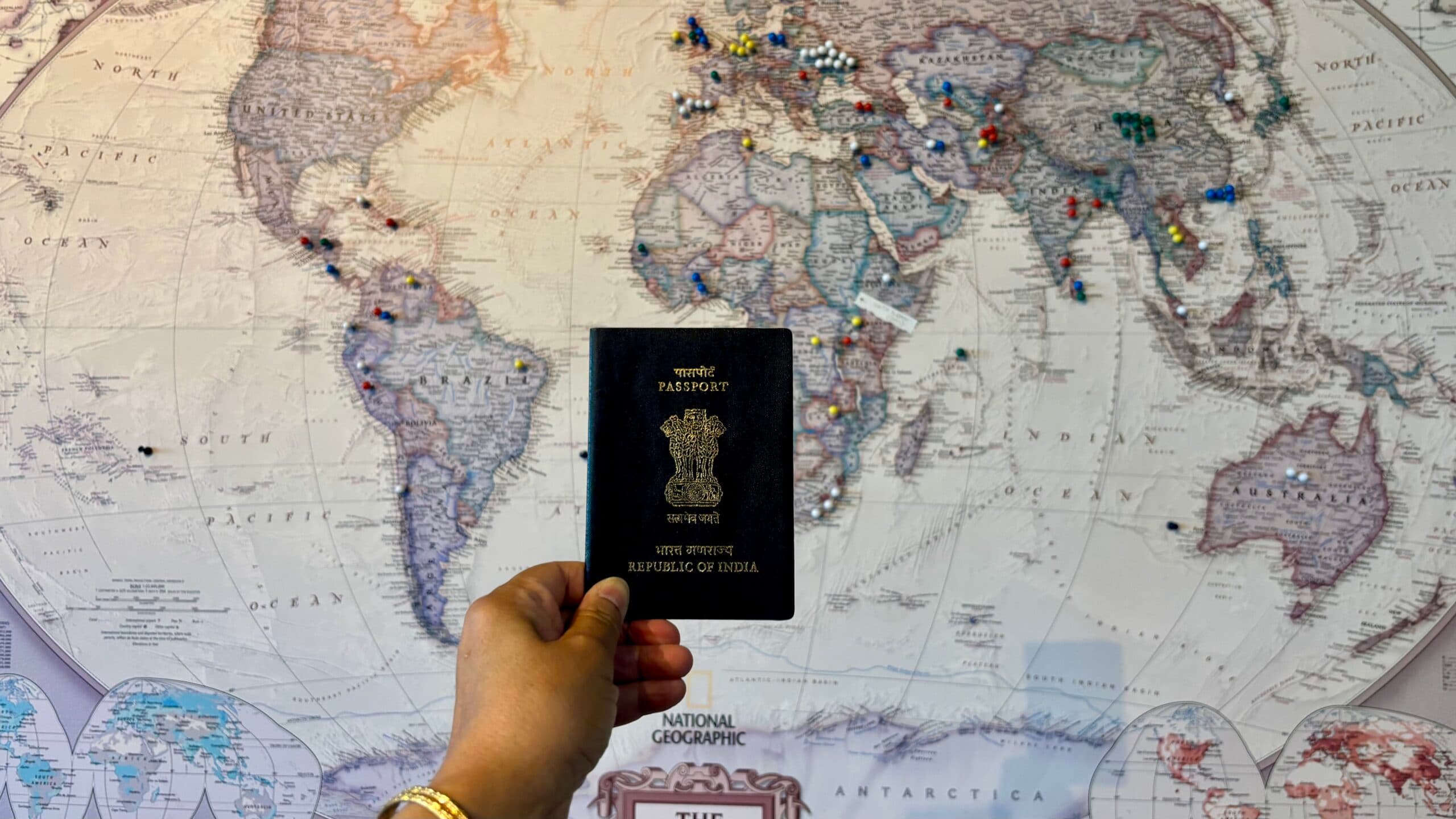
The largest contingent of international students to the US comes from India. But with the new restrictions by the Trump administration, many Indian students are considering more hospitable destinations.
Airish Pariari was thrilled when he received an admission letter from Johns Hopkins University. He had been accepted into the MBA program in Maryland with a partial scholarship. He was weighing loan options when his plans were suddenly interrupted.
On May 27, the US State Department ordered embassies and consulates around the world to stop scheduling new student visa appointments as it reviewed its screening procedures.
For Pariari, that sparked panic.
“This has actually made me anxious, because we have got the offer letter, we have done everything,” he told The World. “We have [taken so many] exams in [the] last three to four months. But I can’t celebrate.”
Even before the pause, trying to book a US visa appointment could be frustrating. New slots don’t open up at a fixed time, so applicants often have to monitor the website throughout the day. Online platforms like Telegram and Reddit have entire groups dedicated to alerting members about new appointments. The pause, which lasted three weeks, made vacant slots even harder to find.
“I have given so much of my hard work, five round of interviews. My mind, my heart wants to go [to the] US,” Pariari said. “But due to the visa pause or not getting any slots, due to the circumstances, I am preparing my backup.”
The visa pause isn’t the only thing that’s put international students on edge. Earlier this year, the Trump administration banned Harvard University from enrolling international students. That order has been blocked by a federal judge, for now. The State Department also revoked hundreds of student visas, many for minor violations, such as speeding tickets.
At an education consultancy in Delhi, director Ajit Singh is seeing the effects of the recent changes. Fewer Indians want to go to the US this year, he said, and many are also deferring their admissions to wait and see what happens.
“The application number [has] definitely declined,” Singh told The World. “And there is a kind of uncertainty among the students because they are spending a huge [amount of] money.”
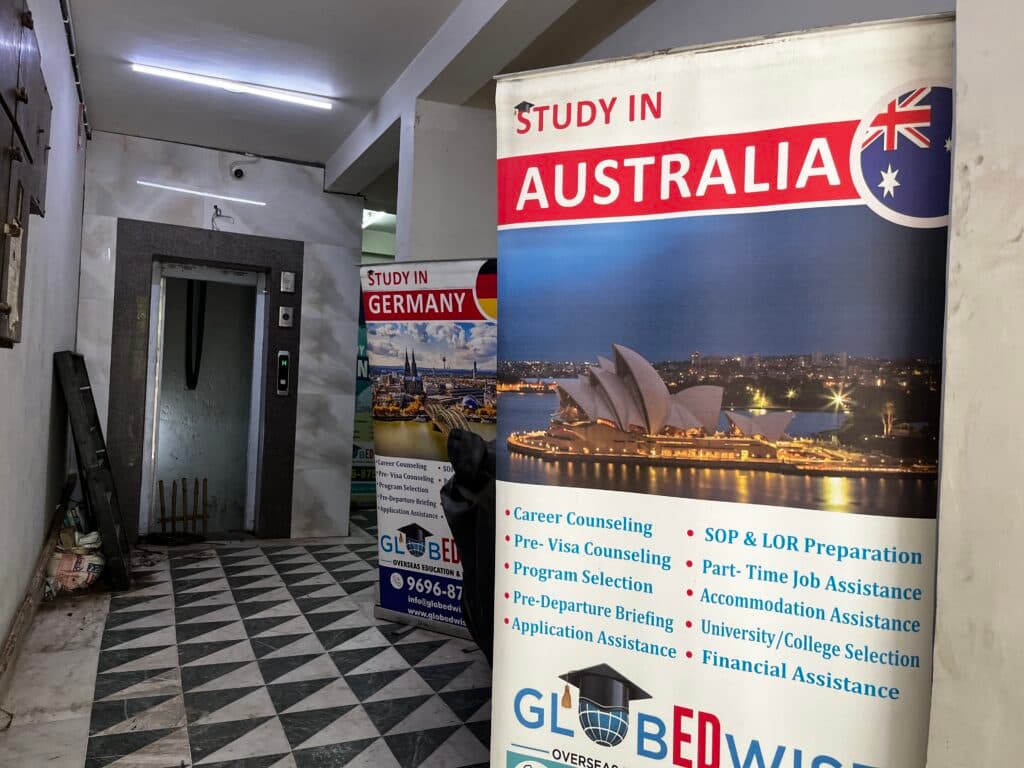
International students pay much more in tuition than domestic students. Without that money, some universities would have to shut down entire programs. International students also make significant contributions to the local economy. For students, there is no guarantee of being able to stay in the US long term after obtaining their degrees.
“The international higher education model in the United States was a very zero-sum game in favor of the United States,” said Sudhanshu Kaushik, executive director of the North American Association of Indian Students.
Kaushik said he’s baffled by the Trump administration’s targeting of international students.
“Why would you willingly disrupt a higher education model that truly was such an advantageous situation for the United States government? And why would you put at risk the hundreds of billions of dollars that come there?
Sudhanshu Kaushik, executive director of the North American Association of Indian Students
“Why would you willingly disrupt a higher education model that truly was such an advantageous situation for the United States government,” he said. “And why would you put at risk the hundreds of billions of dollars that come there?”
Part of what motivates international students to come to the US has long been the freedom on campus. Those who grew up in less democratic countries, in particular, found it liberating.
“They came to get away from the restrictions placed at their home, their society,” Kaushik said. “The rules were that you had academic freedom. The rules were that you could expand your intellect. The rules were that you could actually argue with your professors. That was the standard. Not anymore.”
The State Department has been cracking down on international students involved in pro-Palestinian activism on campus — and more recently online. New visa applicants now have to make their social media accounts public. The administration says this expanded vetting will ensure that only genuine students get visas, not what it calls political activists.
Pankaj Suneja is a recruiter for US universities in Delhi. He’s been fielding questions from prospective students during a recent education fair. His biggest advice: Maintain a clean social media presence. He said the new rule is quite reasonable.
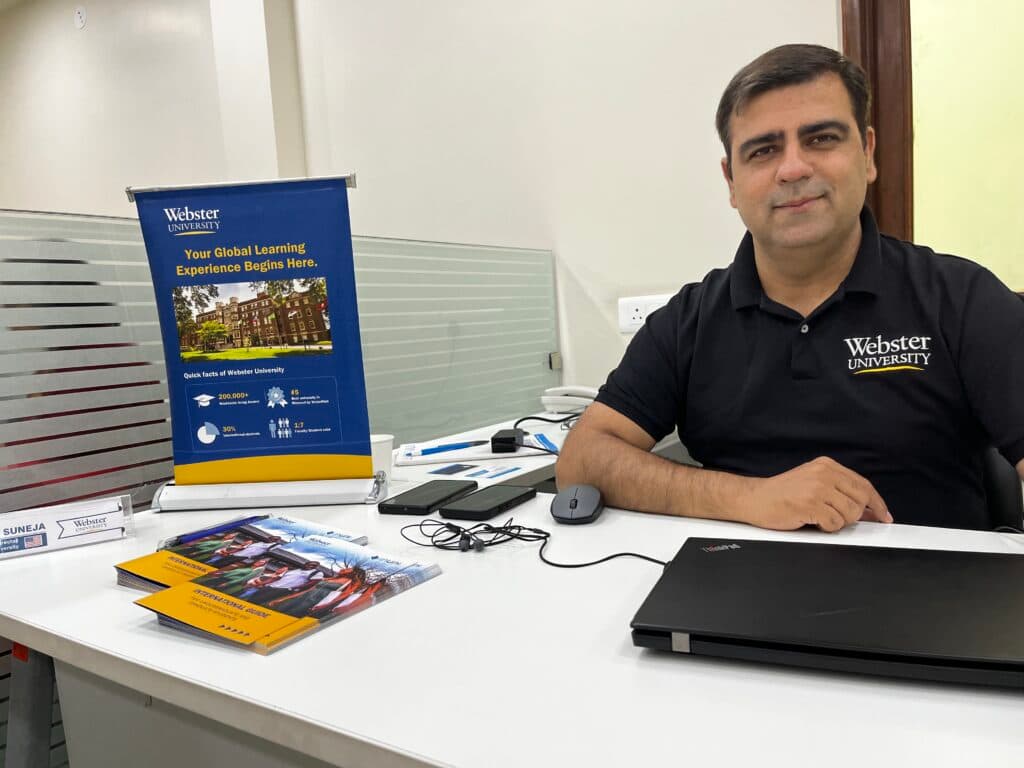
“The student going to USA for education, I think, should focus only on education,” Suneja said.
Most Indian students are, in fact, focused on education. And there hasn’t been widespread outrage over the social media screening. What scares them is the uncertainty and chaos: being unable to travel freely due to the fear of detention. Knowing that even the slightest brush with the law could jeopardize their visas.
A few tables away from Suneja, Tenzin Kalden has been talking to another counselor, getting ready for his application next year. He’s been following the news about international students in the US. He had, at one point, considered going to the US. But he’s not anymore.
“Would you study with distractions? No, right? You need a peaceful place. That’s the problem in USA, I think,” he said. “If I go to study there, instead of studying, I don’t know, I might be in [a] problem. That’s the thing.”
Kalden is planning to go to Canada instead. “It’s more friendly to outsiders,” he said.