Public radio’s longest-running daily global news program.
©2025 The World from PRX
PRX is a 501(c)(3) organization recognized by the IRS: #263347402.
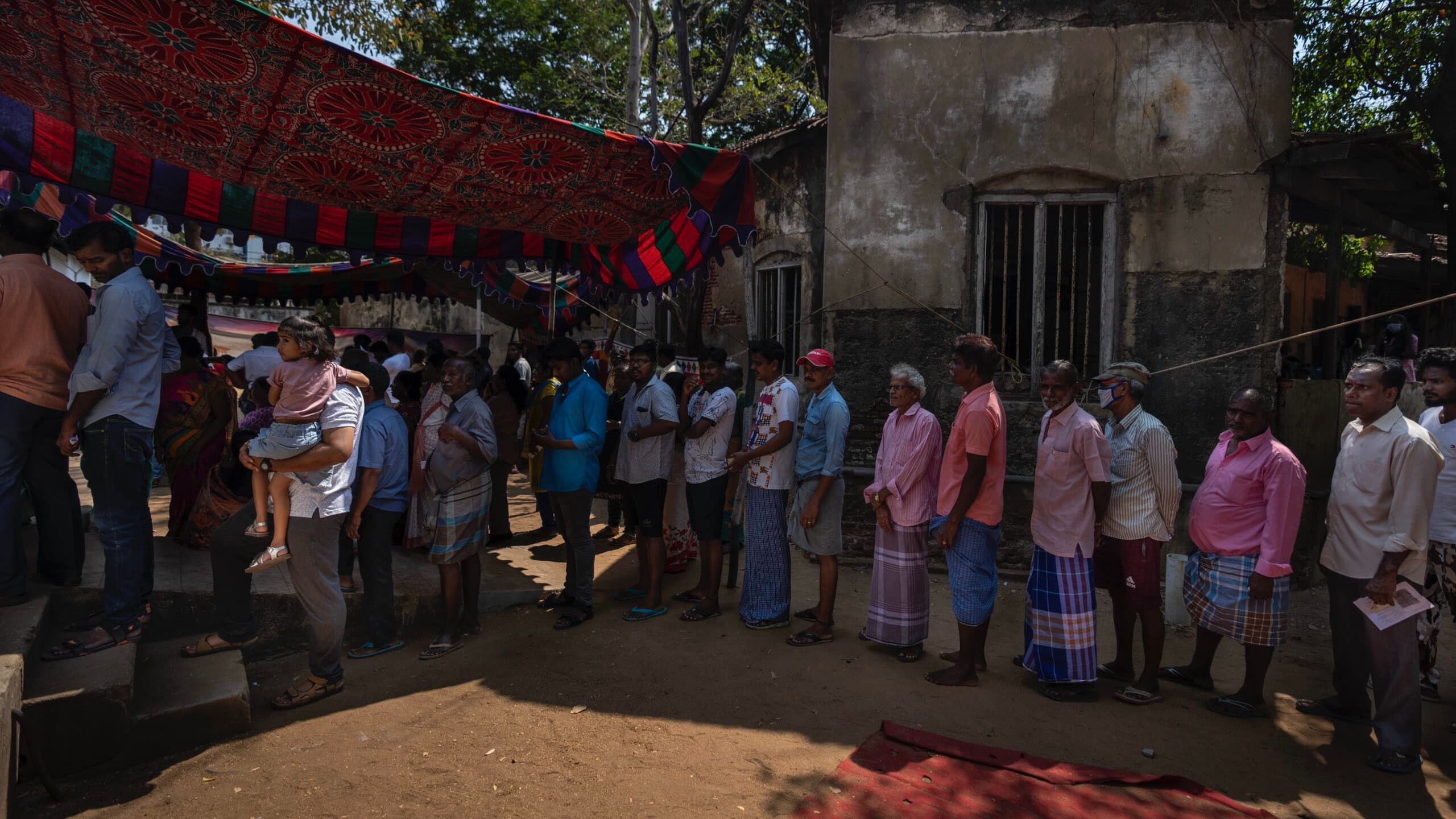
Voting begins on Friday in India in what’s being called the largest-election ever in recorded history. Almost 1 billion people are eligible to vote in the election, which will happen over the next six weeks. President Narendra Modi is likely to be reelected for a rare, third term, despite concerns about the growing Hindu nationalist movement he represents, and high unemployment. The World’s Carolyn Beeler spoke with journalist Sushmita Pathak, who talked to voters at the polls in the city of Jaipur.
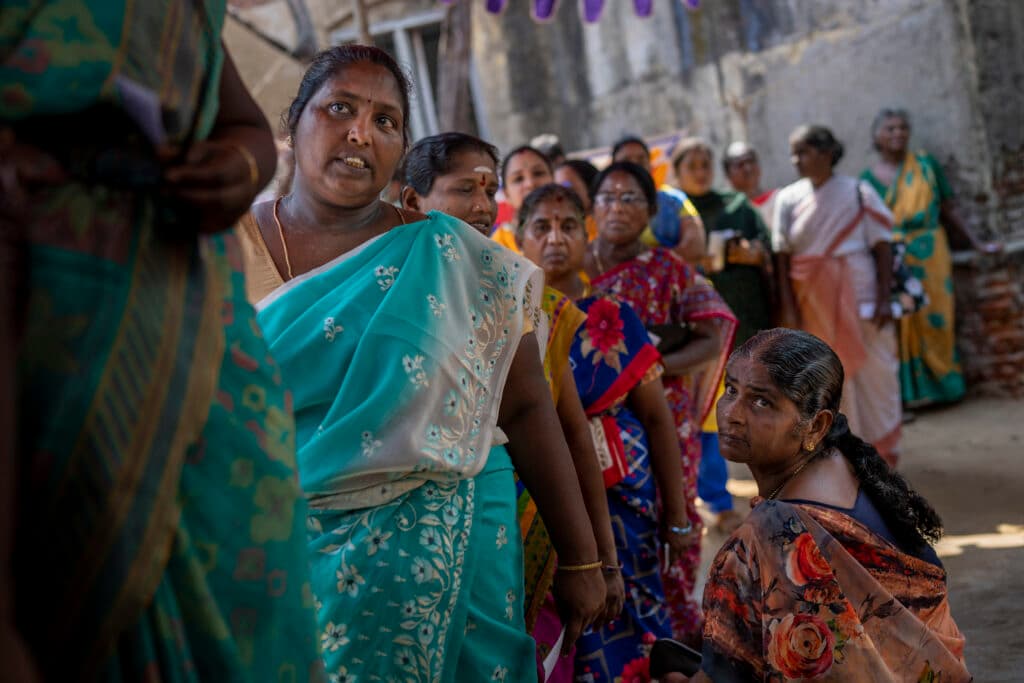
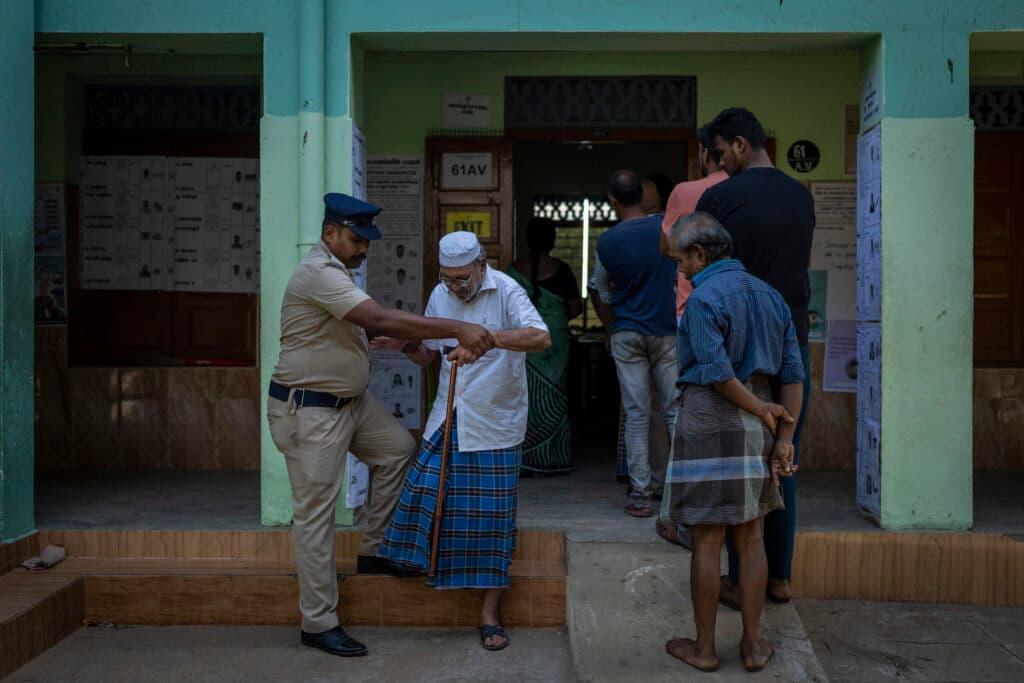
People wait to cast their votes during the first round of polling of India’s national election in Chennai, southern Tamil Nadu state, Friday, April 19, 2024. Nearly 970 million voters will elect 543 members for the lower house of Parliament for five years, during staggered elections that will run until June 1.
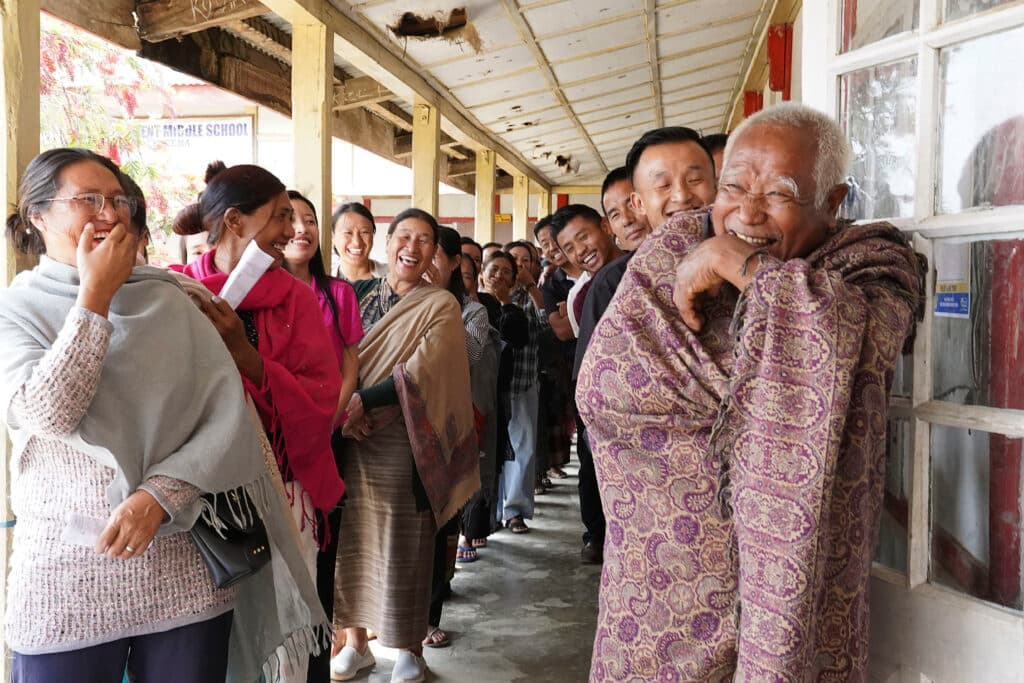
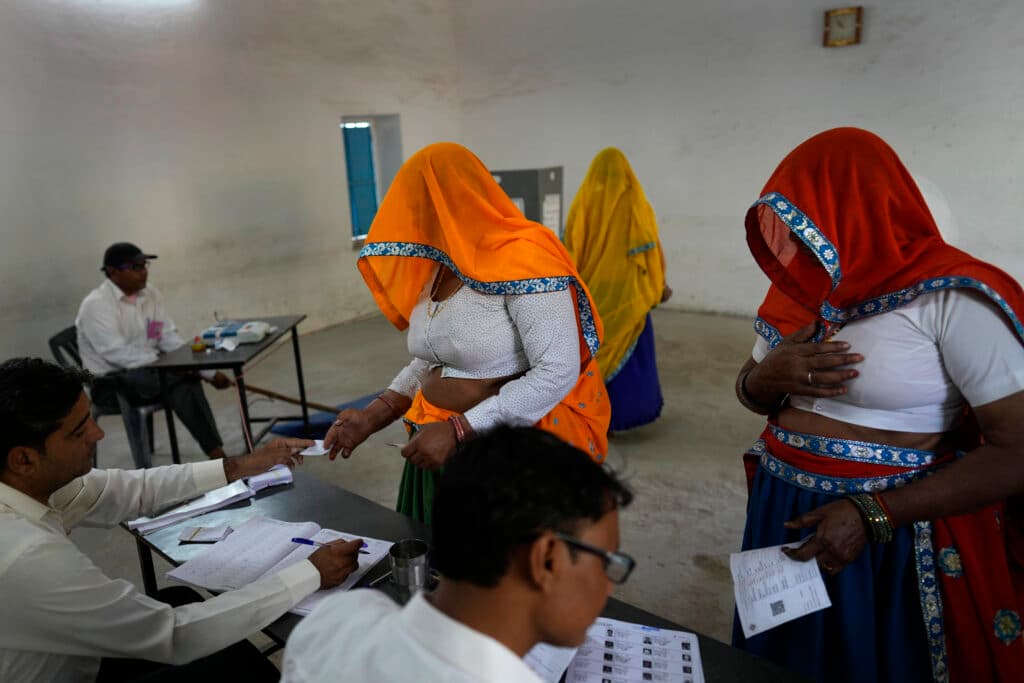
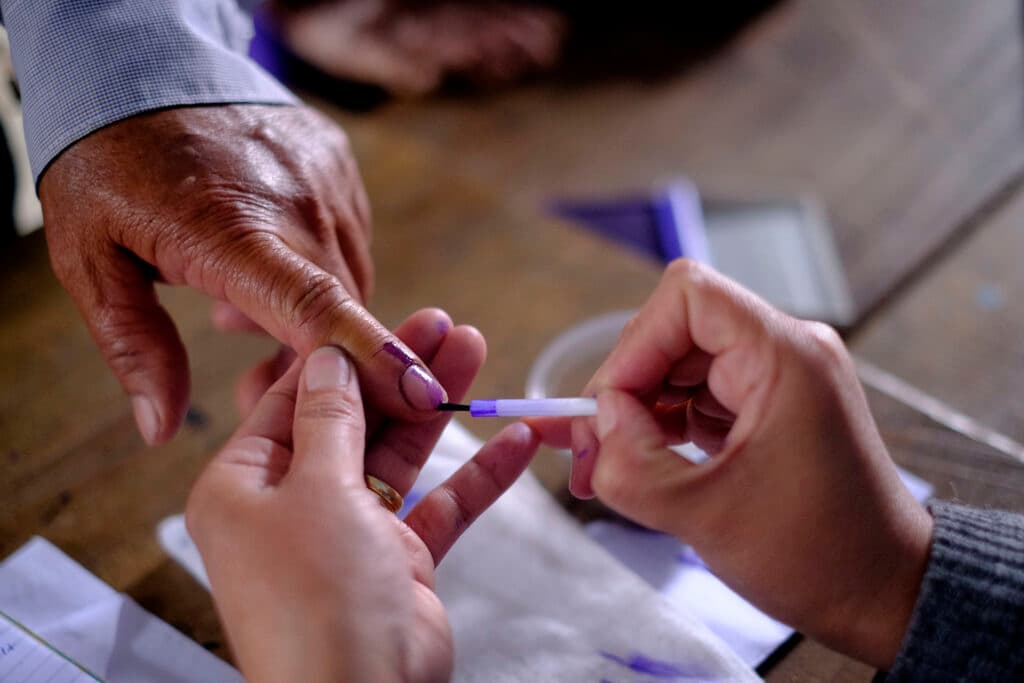
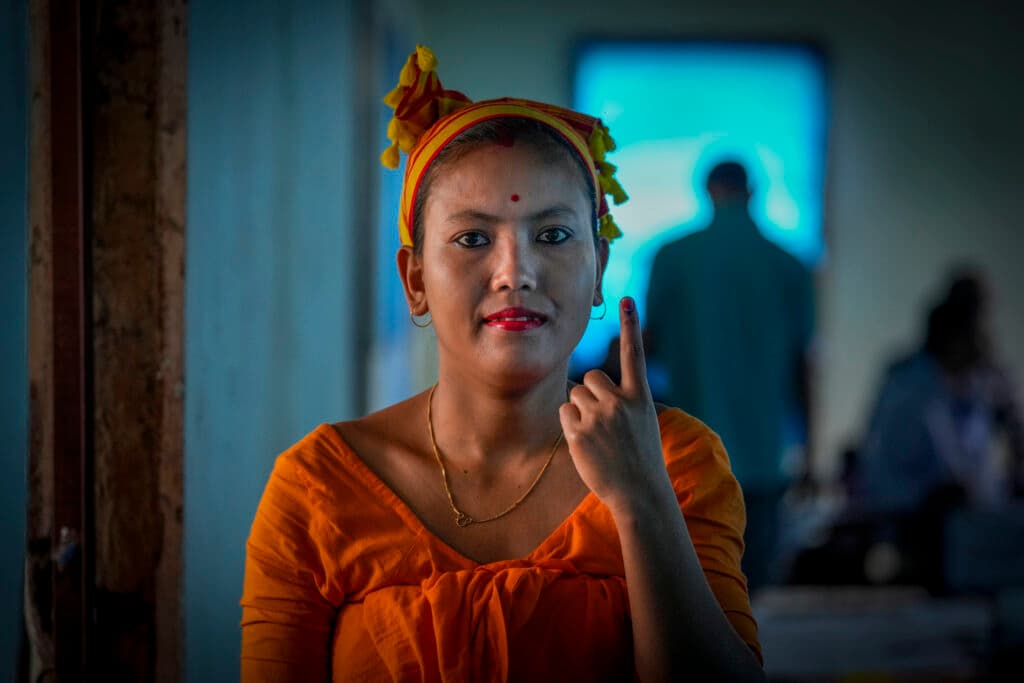
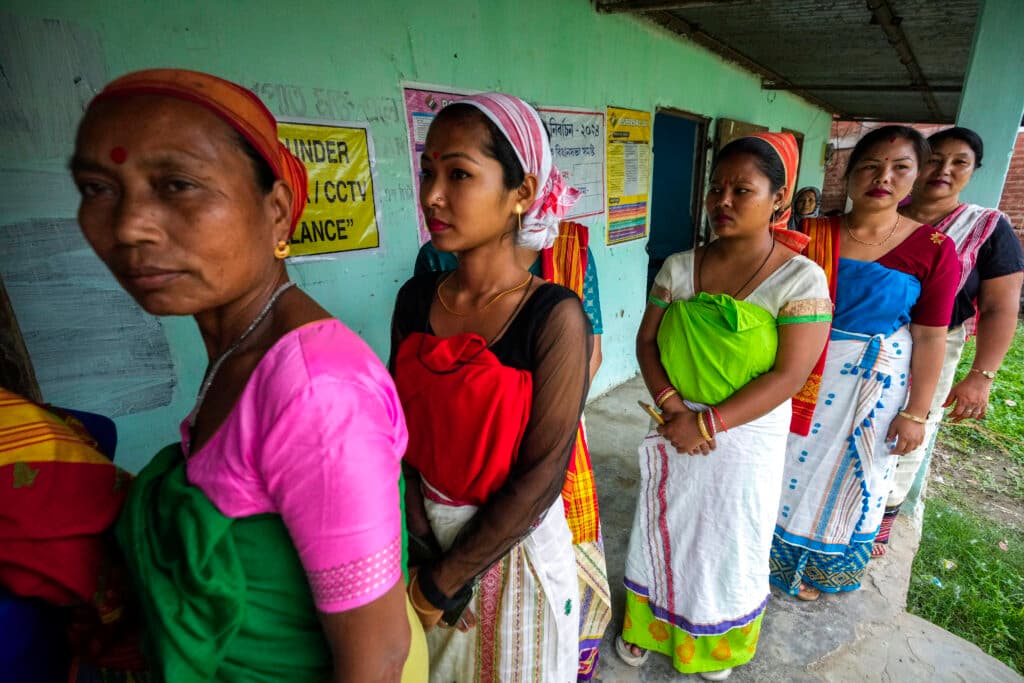
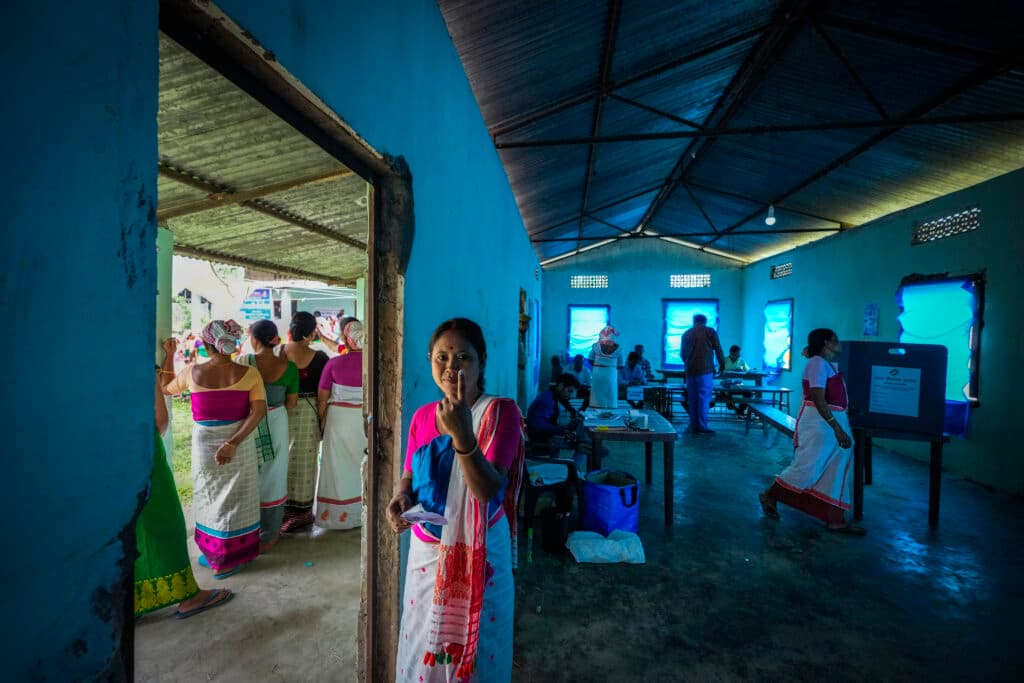
Over the next several weeks, nearly a billion voters will decide who controls India’s lower house of parliament and — by extension — who will be the country’s next prime minister.
Incumbent Prime Minister Narendra Modi is seeking reelection for a rare, third consecutive term. It’s predicted that he will win, and some worry about what that will mean for the future of India’s democracy.
Voting started on Apr. 19 and will be conducted in seven phases. It’s expected to last until June 1, and votes will be counted on June 4.
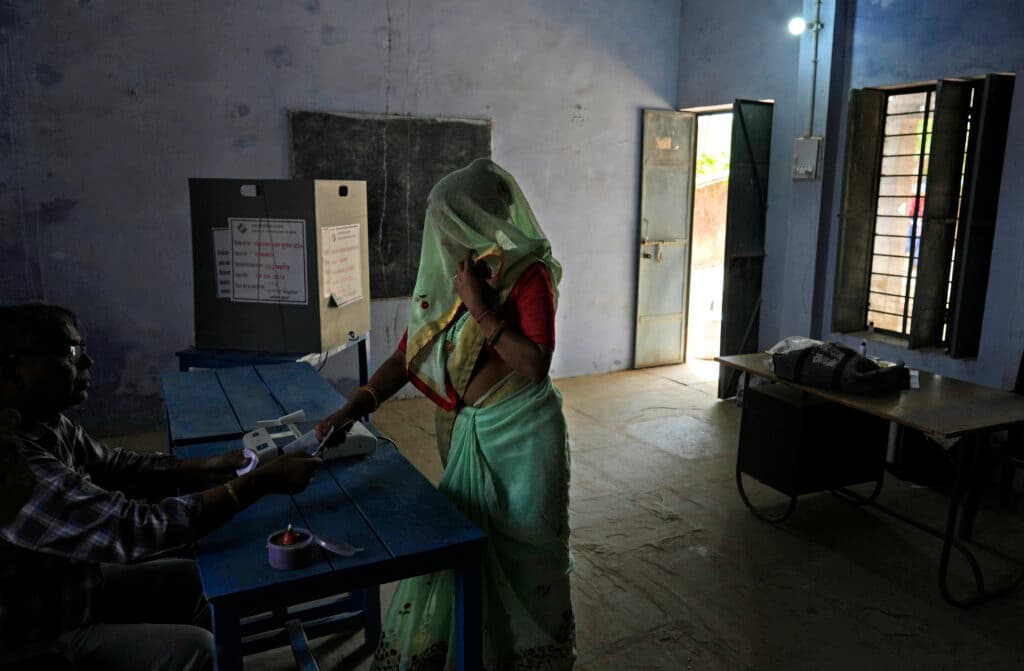
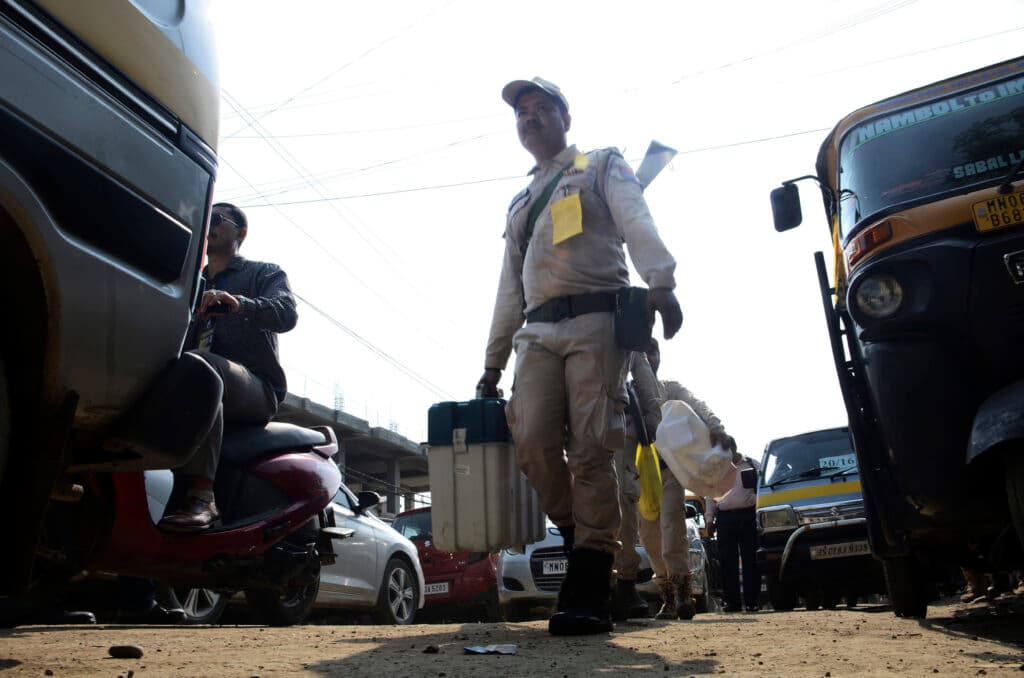
There are 970 million eligible voters, and more than a million polling stations are spread across a vast, geographically diverse country.
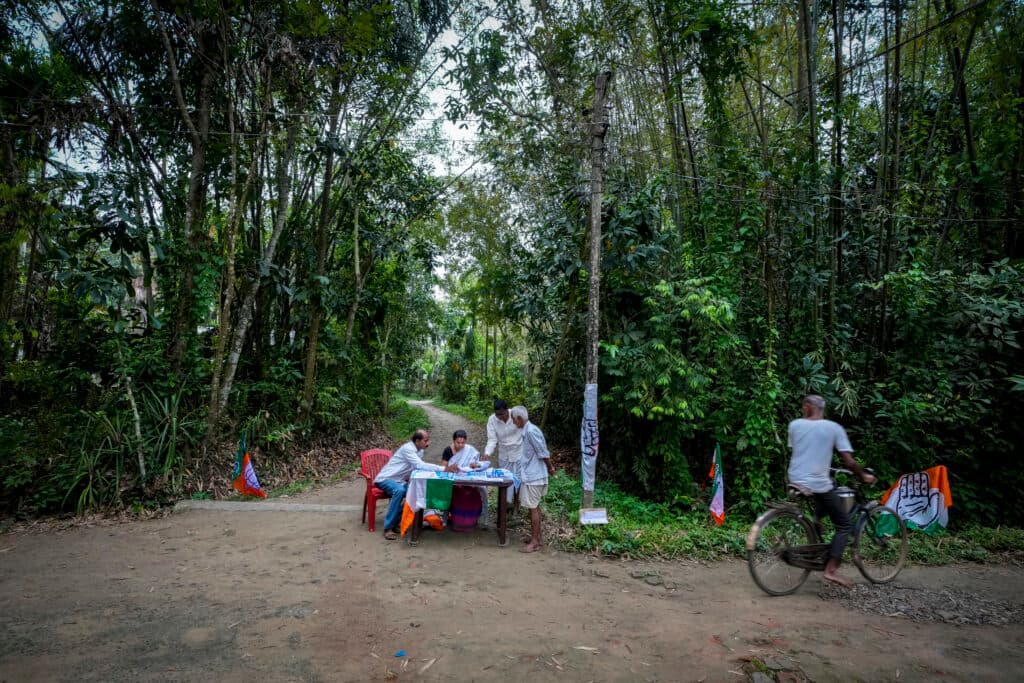
The main player is the Bharatiya Janata Party (BJP), Modi’s party, which currently holds a majority in parliament.
On the other side is a splintered opposition led by the Indian National Congress. For decades, the Congress party was the most powerful party in India — former prime ministers Indira Gandhi and Rajiv Gandhi were from the Congress party. But since the BJP defeated them in 2014, they’ve been struggling.
There is little competition for Modi, who has one of the highest approval ratings in the world.
Many people resonate with Modi’s humble beginnings. He often repeats the story of how he was a chai wala, a tea seller, when he was young, and has now risen to the highest office in India.
Voters like Vikas Sharma, who runs a small cable TV business in Jaipur, credit Modi for providing welfare benefits to the poor, such as food and medicine. He also praises Modi for reducing corruption and developing infrastructure, like improving India’s roads.
Sharma said that Modi is elevating India’s position on the world stage and that he is the only person equipped to take India forward.
But that doesn’t mean that Modi’s government is without criticism.
Hinduism is India’s majority faith, and under Modi, India is increasingly becoming a Hindu-first nation, moving away from secularism.
Human rights groups have noted that minorities in India, especially Muslims, have increasingly come under attack. Many of the Modi government’s policies are also seen as anti-Muslim. The BJP denies any accusations of discrimination.
Although Hindu-Muslim tensions have existed in India long before Modi came to power, critics say under him, those tensions have gotten worse.
And despite steady economic growth, India hasn’t been able to create enough jobs for its growing population, particularly for young people. Even for Modi supporters, unemployment is a top concern.
Critics also say that under Modi, India’s democratic institutions have suffered, and there’s less freedom of expression and more media censorship.