Public radio’s longest-running daily global news program.
©2025 The World from PRX
PRX is a 501(c)(3) organization recognized by the IRS: #263347402.
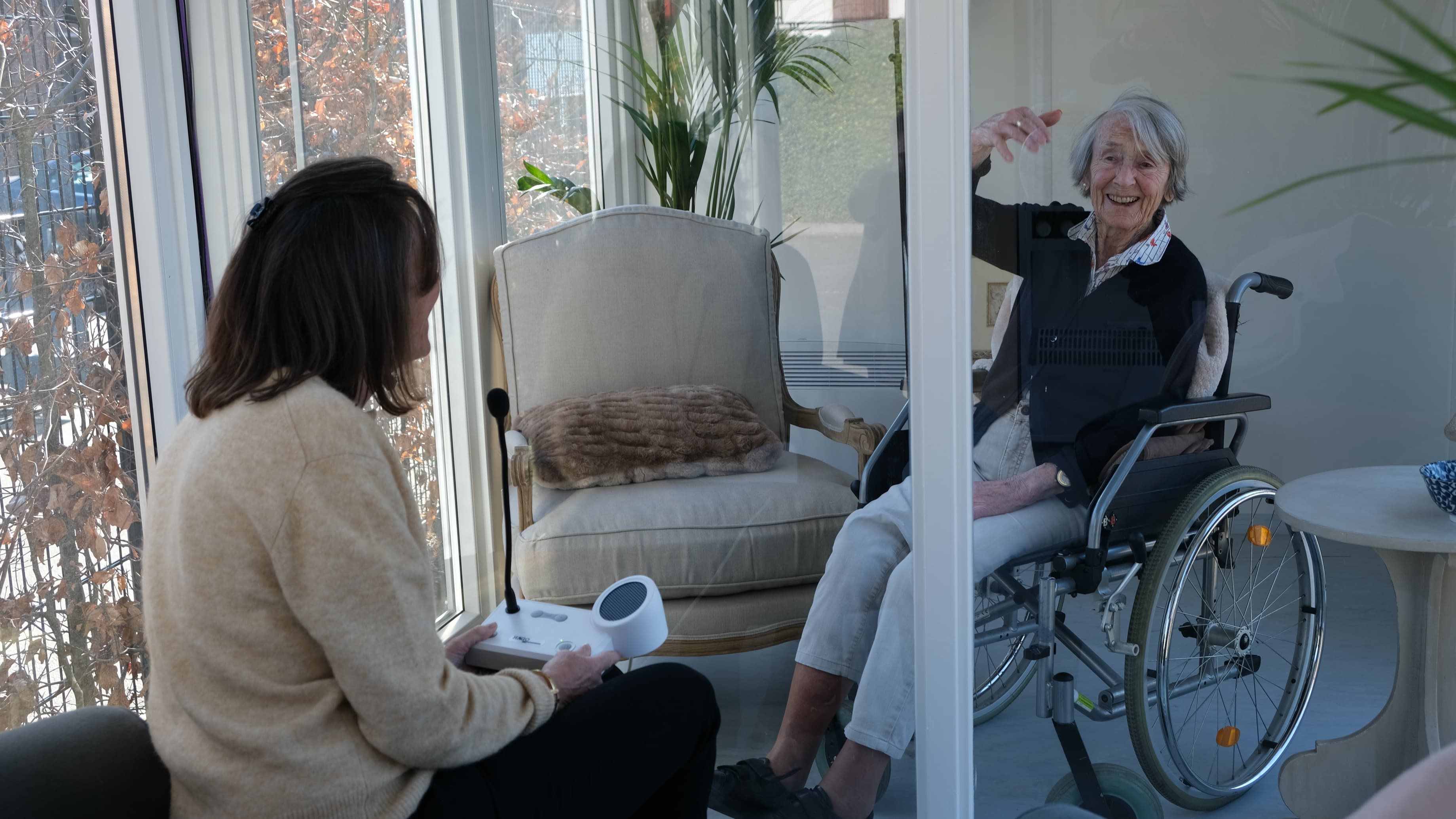
Many older adults grapple with loneliness, especially during the coronavirus pandemic. Zoom and WhatsApp just don’t cut it. In the glass cabin, friends and family can visit safely and connect while separated by panes of glass.
A younger woman looks at an older woman behind glass at The Glass Garden House at the Claris nursing home in the Netherlands.
Nursing homes have been hit hard by the coronavirus — and, as a result, many care facilities worldwide are not allowing in-person visits in order to keep residents safe.
But that’s only aggravating a problem that many older adults faced before this pandemic: Loneliness.
A nursing home in Wassenaar in the Netherlands has come up with a solution. They’ve built a “visitor cabin” in their back garden, where friends and family can come visit — safely — while separated by panes of glass.
Related: Coronavirus tears through Canada nursing homes

Willem Holleman, director of Claris Zorggroep nursing homes, says the cabin is designed to be as comfortable as possible.
“People who come in, visitors or our residents, walk into a nice, cozy warm room with a couch, a coffee machine, a few lamps, a few paintings on the wall — just like their apartments in their care home.”
Willem Holleman, director, Claris Zorggroep nursing homes, Wassenaar, Netherlands
“People who come in, visitors or our residents, walk into a nice, cozy warm room with a couch, a coffee machine, a few lamps, a few paintings on the wall — just like their apartments in their care home,” he told The World.
Related: Amsterdam’s coronavirus recovery plan embraces ‘doughnut economics’
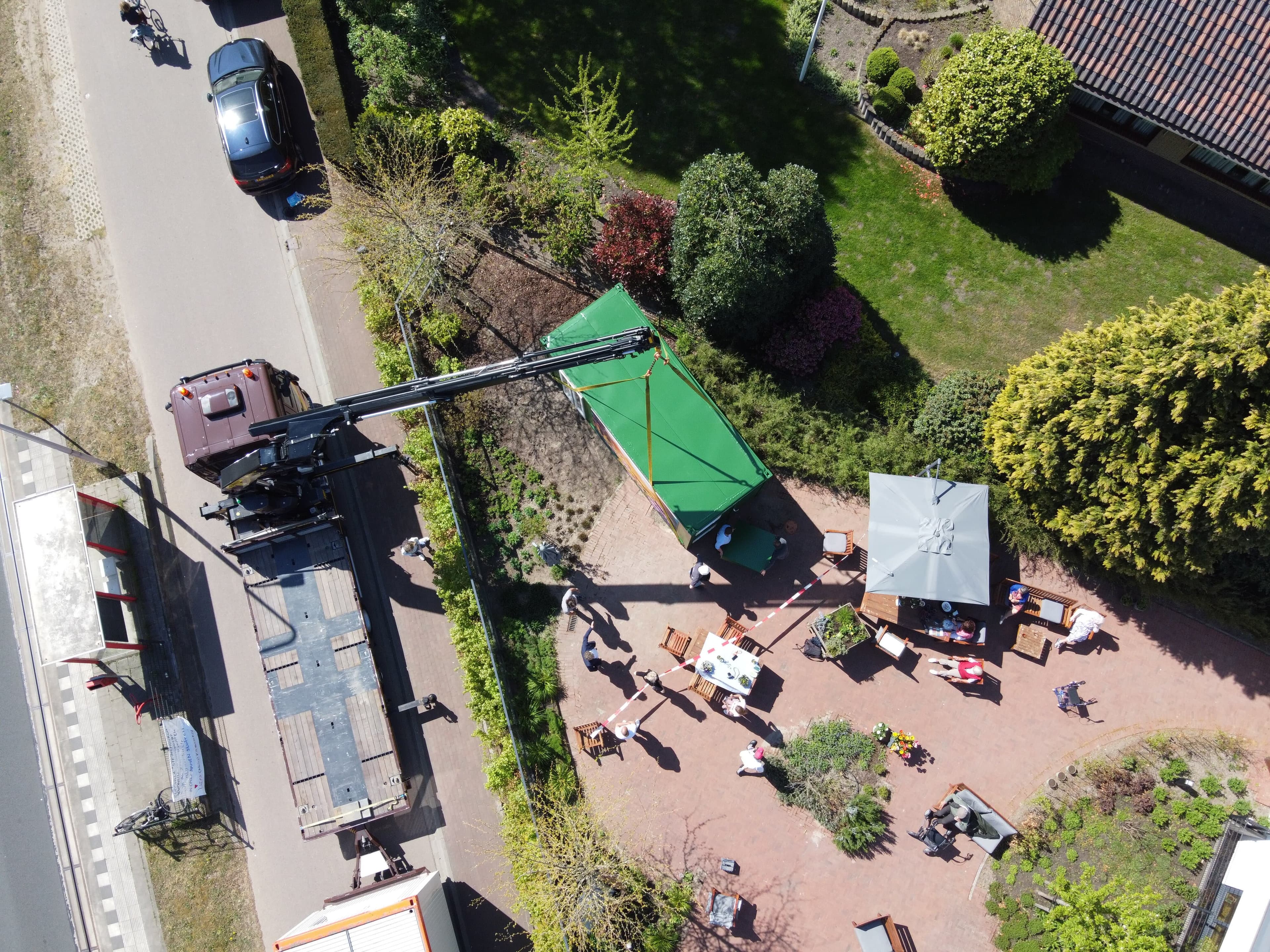
The glass cabin is open for four visiting slots a day, and families must schedule in advance. Only two members of a household can visit at a time, and they must wear gloves. In between visits, which last for 45 minutes each, the cabin is professionally cleaned.
Holleman said the coronavirus pandemic has been particularly difficult for residents who have had trouble adopting virtual communication methods such as Zoom or Skype.
“They felt lonely, they felt isolated. … We’ve used Zoom or WhatsApp or things like that, but our residents are unable to understand it’s real-time or real life they’re seeing on the iPad.”
Willem Holleman, director, Claris Zorggroep nursing homes, Wassenaar, Netherlands
“They felt lonely, they felt isolated,” he said. “We’ve used Zoom or WhatsApp or things like that, but our residents are unable to understand it’s real-time or real life they’re seeing on the iPad.”
Related: Kids in Spain venture outside for the first time in weeks

Being able to see a loved one in person — even if through a pane of glass — makes a huge difference.
“They need to see each other, they need to make eye contact, they need to laugh or cry together. In our glass cabin, it’s possible to reunite families after a few weeks of isolation in the lockdown.”
Willem Holleman, director, Claris Zorggroep nursing homes, Wassenaar, Netherlands
“They need to see each other, they need to make eye contact, they need to laugh or cry together. In our glass cabin, it’s possible to reunite families after a few weeks of isolation in the lockdown,” said Holleman.
“I really recommend this for all care homes or nursing homes, all around,” he added.