Public radio’s longest-running daily global news program.
©2025 The World from PRX
PRX is a 501(c)(3) organization recognized by the IRS: #263347402.
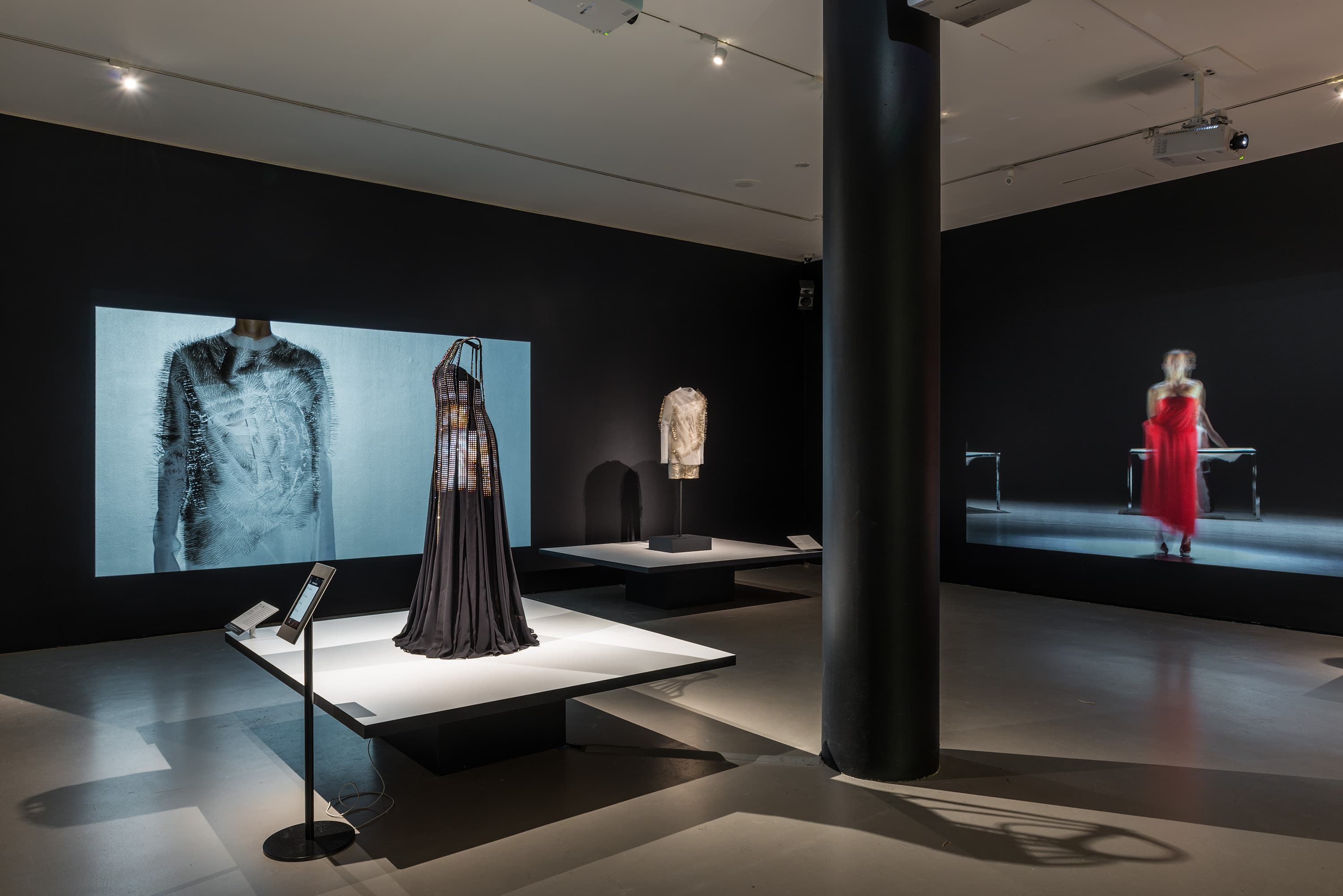
What if you never had to worry about your clothes fitting you in the future? What if your clothes were tailored exactly to your body.
The Museum of Fine Arts in Boston has a display of 3-D printed dresses and accessories.
When people imagine the future, they often picture flying cars and space colonies — a world that’s virtually unrecognizable. But what do you picture when you imagine the future of fashion?
Well, thanks to the Museum of Fine Arts in Boston, you might not have to imagine any more.
Your clothes might change color or shape in response to the environment. They might be made from plexiglass or plastic. Or they might come from a 3D printer instead of a workshop in Bangladesh.
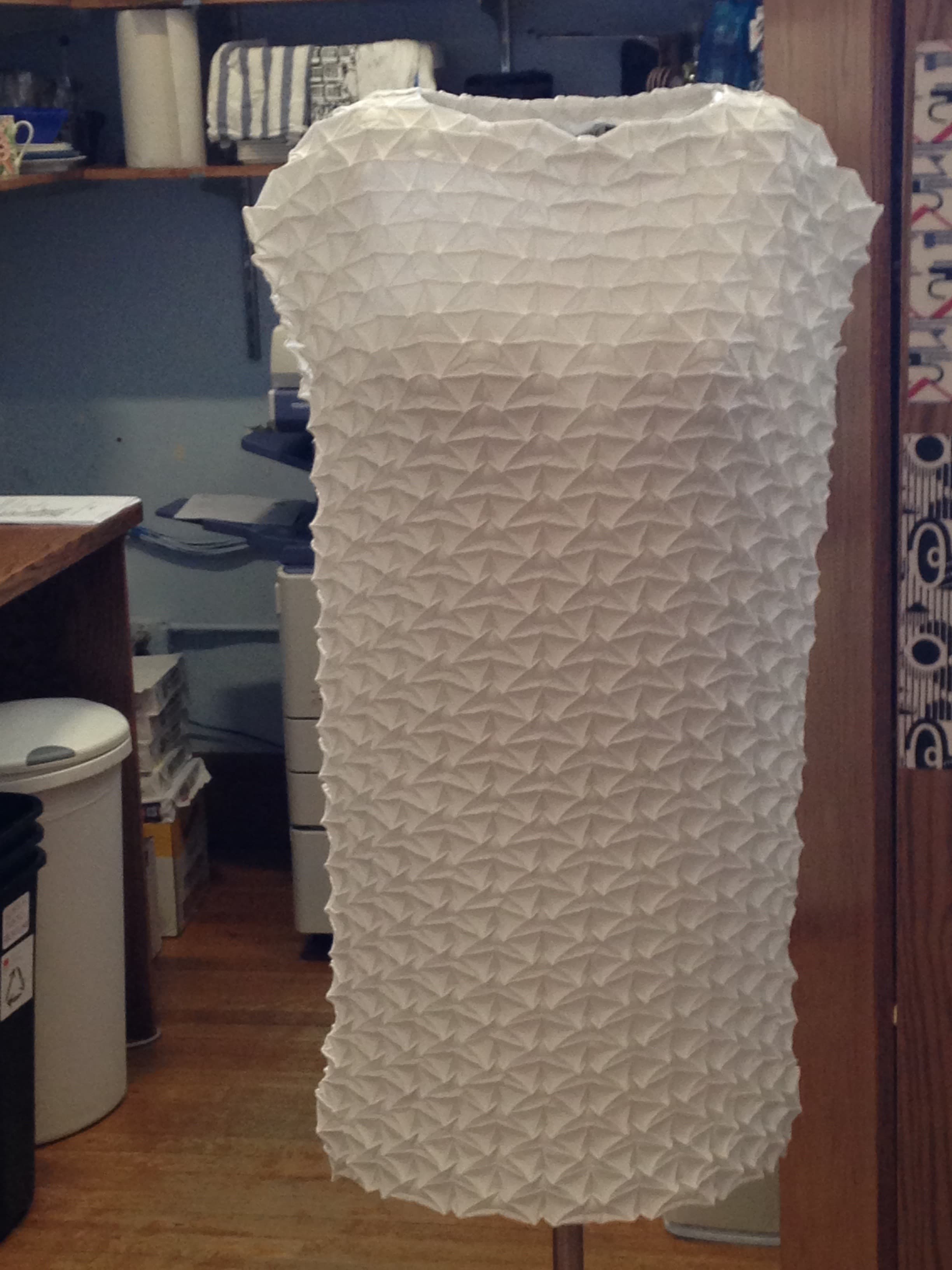
The museum’s clothes-of-the-future range from sky-high plastic heels to a dress that displays live tweets. One bodysuit looked to us like: “A shirt crossed with a spiderweb crossed with an accordion.” But most of what we saw … wasn’t too different from today’s clothes.
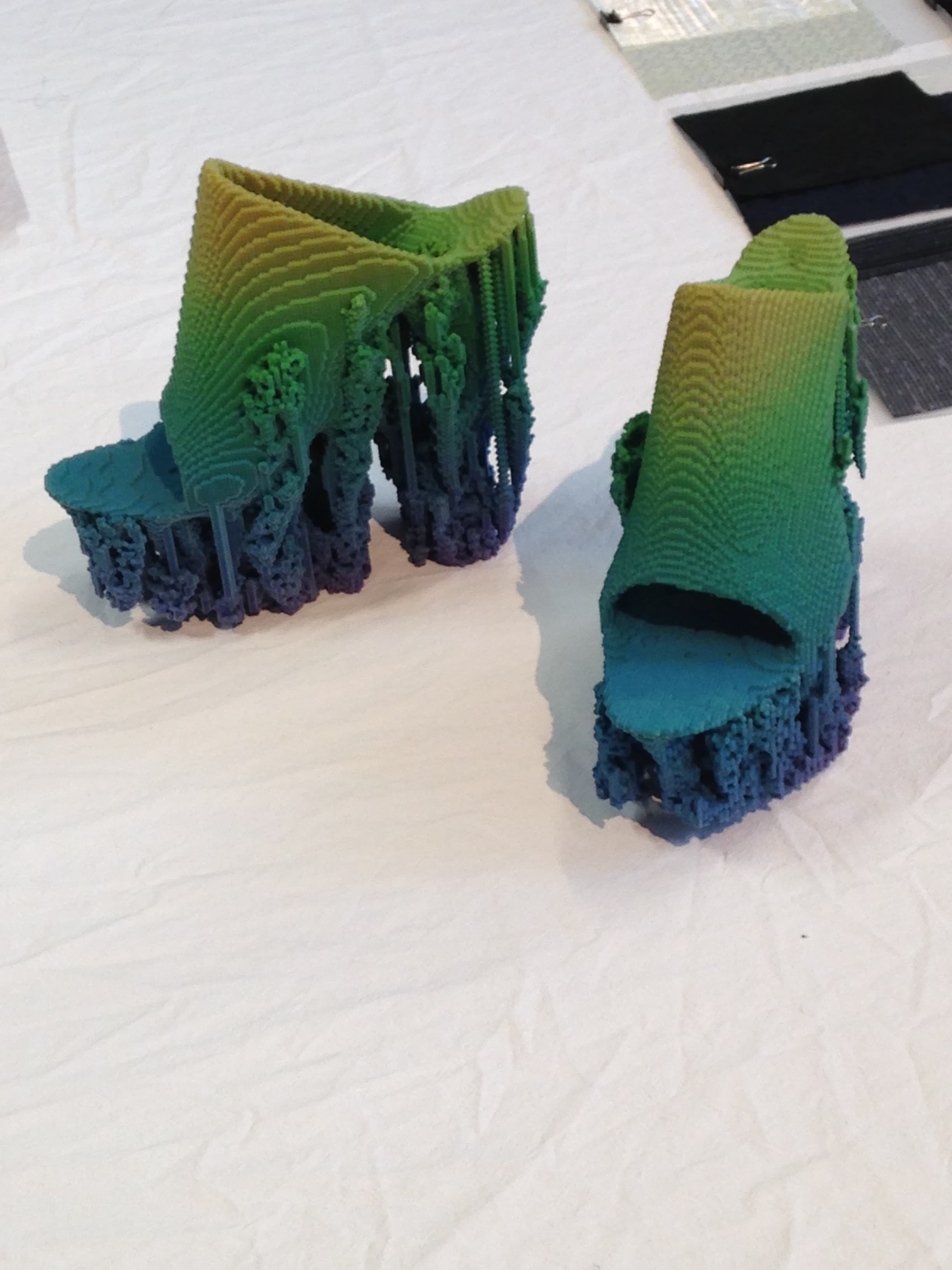
“You could get your body scanned and feed your information to the computer,” says Pamela Parmal, curator of the exhibit. “You could design a dress, and it could be customized to your shape.”
Right now, clothes are designed to fit all kinds of bodies. And though it’s an admirable goal, most clothes don’t fit anyone perfectly.
In the future, that all-encompassing size 8 may be banished to the world of fashion faux pas, joining Juicy Couture tracksuits, corsets made of whale bones, and mercury-laced top hats.
3D-printed clothing also has to potential to have major economic ripples — and to disrupt the textile industry as we know it.
Instead of fashion houses sending a prototype to a factory in Italy or Bangladesh and then waiting months for a product, they can simply publish a design online. Fashionistas can then plug in their exact body measurements and print the clothing at home.
Plus, the labor implications could be enormous. Conditions in textile factories can be abhorrent, and by dismantling the fast-fashion industry, designers and brands might finally stop investing in unfair and dangerous labor practices. Although we're not sure what might happen to the workers once clothes are made at home.
Parmal doesn’t shy away from predicting what fashion might look like 25 years from now, and it looks pretty similar to what we wear today. “I’ll be wearing jeans and a T-shirt when I retire,” she predicts. But even though they might look the same, they’ll fit like a glove.
This story first aired as an interview on PRI's Innovation Hub.