Public radio’s longest-running daily global news program.
©2025 The World from PRX
PRX is a 501(c)(3) organization recognized by the IRS: #263347402.
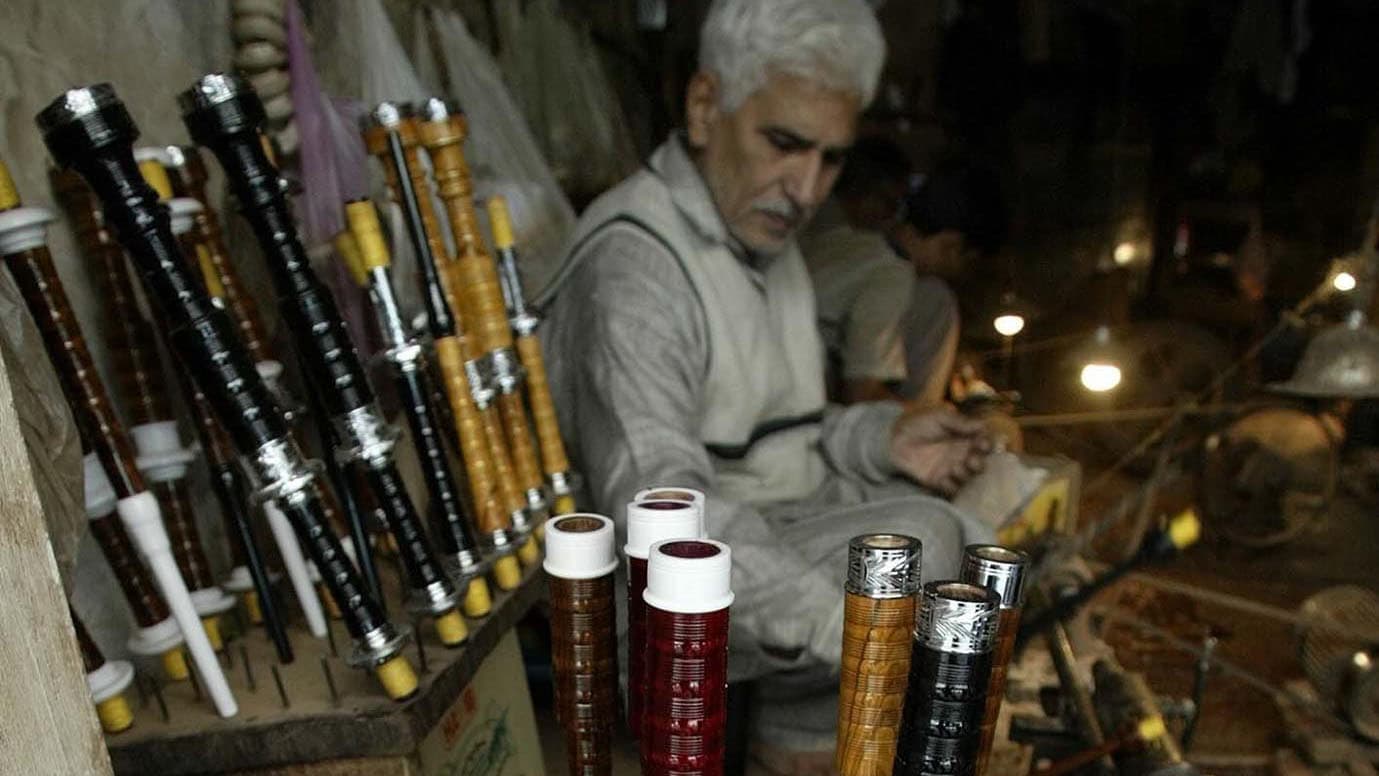
Whatever the outcome of the referendum in Scotland, one aspect of traditional Scottish culture will continue to have a surprisingly close link to a far off part of the world. Outside of Scotland, the world’s largest manufacturer of traditional bagpipes is Pakistan.
Bagpipe maker Abdul Hameed is seen busy in his workshop in Sialkot, Pakistan.
The world’s largest manufacturer of traditional bagpipes, outside of Scotland, lies in Pakistan, in the industrial city of Sialkot.
For three generations and more than 50 years, the city has produced handmade bagpipes and kilts, and exported them all over the world, including to Scotland itself.
The BBC’s Shaimaa Khalil visited the workshops of Sialkot, and found a thriving business dating back to the days of the British Empire.
She was struck by the cultural blend on the factory floor. “It was quite surreal — you walk into this room and it’s just full of tartans and men on sewing machines making kilts.”
Khalil also found that some aspects of Scottish culture were being adopted locally. Many Pakistani wedding bands now include bagpipes.
In Sialkot, Pakistani music is used to demonstrate the bagpipes before shipping.
There is a military connection as well: in both Pakistan and India, bagpipes are featured in army bands.
According to Faisal Naeem, the owner of one of the factories, the prospect of Scottish independence has raised some business concerns, particularly on the issue of Scotland’s future currency.
Whatever the result however, it seems likely that tartan will continue to be a familiar symbol of this corner of Pakistan, as well as in Scotland.