Public radio’s longest-running daily global news program.
©2025 The World from PRX
PRX is a 501(c)(3) organization recognized by the IRS: #263347402.
In the 1950s, Washington started funding a massive aid program in the heart of Afghanistan’s Helmand province, attempting to build dams, canals and roads that would make the desert bloom. In the decades that followed, the project collapsed.
David Rohde’s new book reconsiders American influence abroad.
It was in the heat of the Cold War during the 1950s, that Washington first tried its hand at making the deserts of Helmand bloom.
American lawmakers began to fund a massive aid program in the Afghan province, attempting to build dams, canals and roads in a project they thought would be reminiscent of the Tennessee Valley Authority.
In the decades that followed, the project largely collapsed, although some Afghans struggled to carry the torch.
Now, as American and British soldiers pull out of Helmand, author David Rohde reconsiders the legacy of the project known to some as “Little America.”
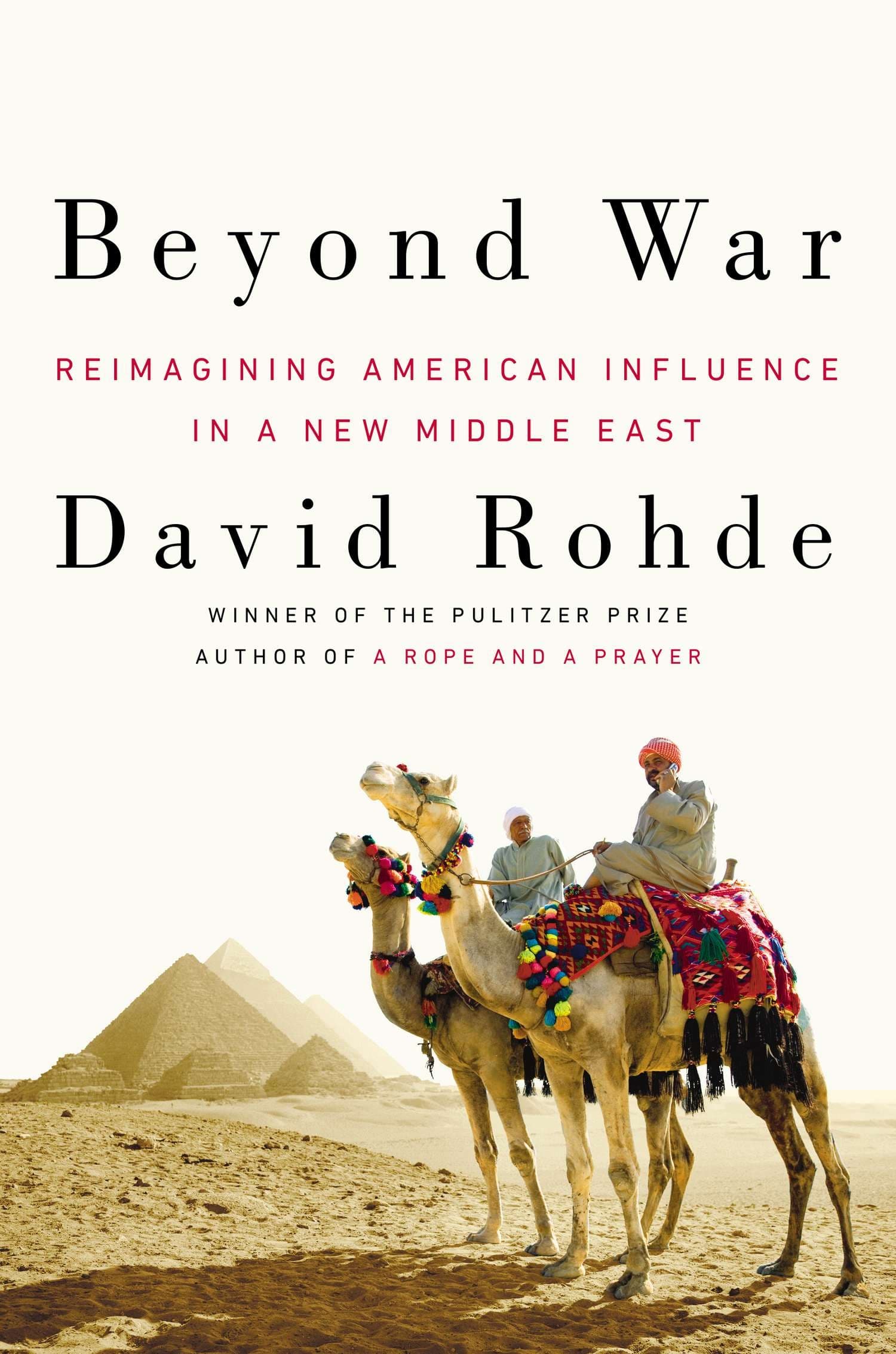
Rohde is a columnist for Reuters and The Atlantic Monthly. He’s a two-time Pulitzer prize winner. His latest book is called Beyond War: Reimagining American Influence in a New Middle East.